What is intracytoplasmic sperm injection (ICSI) ?
Intracytoplasmic Sperm Injection (Icsi)
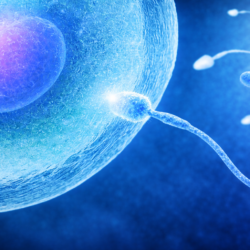
Intracytoplasmic Sperm Injection (ICSI) is a specialized fertility treatment that is commonly used in cases of male infertility or when previous attempts at have been unsuccessful. It is a procedure where a single sperm is directly injected into the egg, increasing the chances of fertilization. ICSI is typically recommended for couples who have low sperm count, poor sperm motility, or abnormal sperm morphology. This technique has revolutionized the field of assisted reproductive technology and has helped many couples fulfill their dream of having a baby.
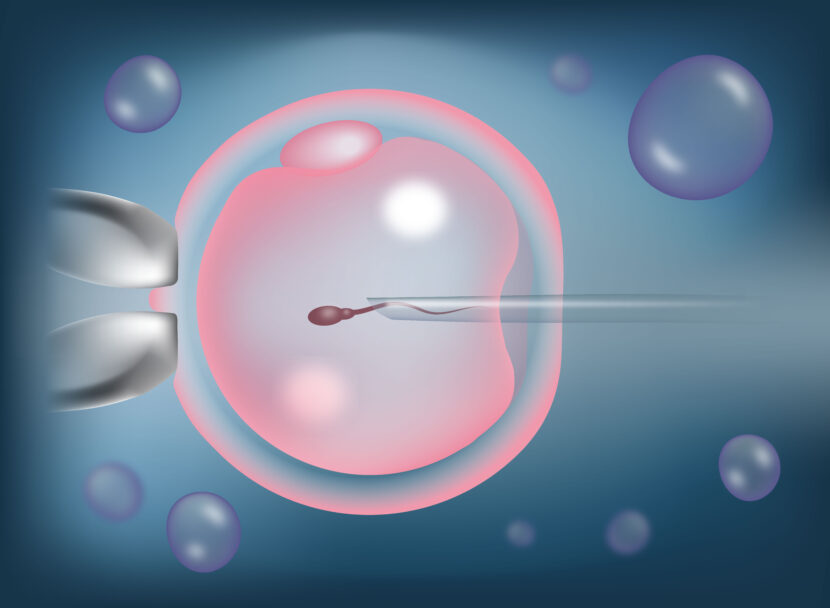
 The process of ICSI involves several important steps. First, the female partner undergoes ovarian stimulation to produce multiple mature eggs. Then, the eggs are retrieved using a minimally invasive procedure called transvaginal egg retrieval. Simultaneously, the male partner provides a semen sample which is prepared in the laboratory to isolate the healthiest and most viable sperm. Using a micromanipulation technique, a single sperm is carefully selected and injected into the center of the egg using a fine glass needle. The injected eggs are then monitored for signs of fertilization, and if successful, the resulting embryos are transferred to the uterus for implantation.
There are several benefits of opting for Intracytoplasmic Sperm Injection (ICSI) as a fertility treatment. Firstly, it offers hope for couples who would otherwise have little chance of conceiving naturally. By directly injecting a sperm into the egg, it bypasses any potential barriers or challenges that the sperm may face, increasing the likelihood of fertilization. Additionally, ICSI allows couples with male factor infertility to still use their own genetic material, preserving the biological connection between parents and child. It also provides an opportunity for couples with genetic abnormalities to undergo a process called preimplantation genetic testing, where embryos can be screened for genetic disorders before being transferred to the uterus.
- In some cases, certain conditions may necessitate the use of Intracytoplasmic Sperm Injection (ICSI). These may include severe male factor infertility, such as low sperm count or motility, as well as abnormal sperm shape (morphology). Additionally, couples who have undergone sperm retrieval procedures, such as testicular sperm aspiration or extraction, may require ICSI due to the limited quantity or quality of sperm obtained. It is important to note that the decision to pursue ICSI is made on a case-by-case basis, in consultation with a fertility specialist who will assess the specific circumstances and recommend the most appropriate treatment option.
| Success Rates | Factors Affecting ICSI Outcomes |
|---|---|
| ICSI has been shown to have high success rates in terms of fertilization and pregnancy outcomes. However, it is important to note that success rates can vary depending on several factors. The age of the female partner plays a significant role, with younger women generally having higher success rates compared to older women. The quality of the eggs and embryos, as well as the overall health and fertility of both partners, also contribute to the success of ICSI. Other factors that can affect outcomes include the experience and expertise of the fertility clinic and laboratory performing the procedure, as well as any underlying medical conditions or reproductive abnormalities that may be present. | Overall, ICSI is a highly specialized and advanced fertility treatment that offers hope for couples struggling with infertility. It has proven to be a valuable tool in overcoming male infertility factors and has helped many couples achieve their dream of parenthood. By understanding the process, benefits, and conditions that may require ICSI, couples can make informed decisions about their fertility treatment options and work towards building their family. |
Understanding The Process Of Icsi
Intracytoplasmic Sperm Injection (ICSI) is a specialized method used in assisted reproductive technology (ART) to help couples struggling with fertility issues. Understanding the process of ICSI is crucial for couples considering this treatment option.
ICSI involves the direct injection of a single sperm into a mature egg, bypassing the natural fertilization process. This procedure is performed in a laboratory setting by skilled embryologists. The process begins with the retrieval of eggs from the female partner through a minor surgical procedure known as follicular aspiration. The retrieved eggs are then carefully examined under a microscope to select the most viable and mature ones.
After the eggs have been selected, a single sperm is selected from the male partner’s semen sample. This sperm is chosen based on its morphology and motility, ensuring the highest chance of successful fertilization. The selected sperm is immobilized and carefully injected into the cytoplasm (inner portion) of the mature egg using a micromanipulation technique.
- Benefits of ICSI:
- ICSI greatly improves the chances of fertilization when male partner’s sperm quality is low, such as low sperm count or poor motility
- It allows couples with severe male factor infertility to conceive and have biological children
- ICSI can be used alongside preimplantation genetic testing to select embryos free from genetic disorders or chromosomal abnormalities
The injected eggs are then incubated in a controlled laboratory environment for a few days, allowing the embryos to develop. The highest quality embryos are selected for transfer into the female partner’s uterus, while any remaining healthy embryos may be cryopreserved for future use.
| Success Rates and Factors Affecting ICSI Outcomes |
|---|
| Success rates for ICSI vary depending on a multitude of factors. The age of the female partner has a significant impact on the success rates, with younger women generally having better outcomes. Other factors that affect success rates include the quality of the female partner’s eggs, the skill and expertise of the embryologist, and the overall health of both partners. |
| Couples considering ICSI should consult with a fertility specialist to assess their individual chances of success and to discuss any potential risks or concerns. Understanding the process of ICSI is essential for couples to make an informed decision and determine if this treatment option is right for them. |
Benefits Of Intracytoplasmic Sperm Injection (Icsi)
Intracytoplasmic Sperm Injection (ICSI) is a procedure that is commonly used in fertility treatments to help couples conceive. It involves the injection of a single sperm into an egg to facilitate fertilization. While ICSI may not be suitable for every couple, there are several benefits to this procedure that make it a popular choice among those struggling with infertility.
One of the major benefits of ICSI is its ability to overcome male infertility issues, such as low sperm count or poor sperm motility. However, with ICSI, a single sperm can be hand-picked and directly injected into the egg, increasing the chances of fertilization even in cases of severe male factor infertility.
Additionally, ICSI can improve the outcomes for couples who have previously undergone unsuccessful fertility treatments. This procedure allows for a more precise and targeted approach to fertilization, increasing the chances of a successful pregnancy. It also offers hope to couples who may have been discouraged by repeated failures, giving them another shot at achieving their dream of starting a family.
- Another advantage of ICSI is its ability to prevent genetic disorders from being passed on to the offspring. By utilizing pre-implantation genetic testing, embryos created through ICSI can be screened for any chromosomal abnormalities or genetic diseases. This allows couples who are carriers of certain genetic conditions to have healthy offspring while minimizing the risk of transmission.
| Benefits of ICSI: |
|---|
| Overcomes male infertility issues |
| Improves outcomes of previous unsuccessful treatments |
| Prevents genetic disorders from being passed on |
Furthermore, ICSI can be particularly beneficial for couples undergoing fertility preservation. Individuals who are about to undergo cancer treatments or medical procedures that may potentially impact their fertility can opt for ICSI to preserve their sperm for future use. This offers a sense of security and peace of mind, knowing that they have the option to conceive biological children even after undergoing potentially fertility-damaging treatments.
In conclusion, the benefits of Intracytoplasmic Sperm Injection (ICSI) make it a valuable and effective option for couples battling infertility. Whether it’s overcoming male factor infertility, improving success rates of previous treatments, preventing genetic disorders, or preserving fertility, ICSI offers hope and opportunities for couples to fulfill their dreams of parenthood.
Conditions That May Require Icsi
Intracytoplasmic Sperm Injection (ICSI) is a highly specialized technique used in assisted reproductive technology (ART) to treat various infertility conditions. While ICSI can be beneficial for couples struggling with infertility, it is important to understand the specific conditions that may require this procedure.
1. Male Factor Infertility:
ICSI is often recommended for couples where the male partner has low sperm count, poor sperm motility, or abnormal sperm morphology. This technique allows the direct injection of a single sperm into the egg, bypassing any challenges the sperm may face in naturally fertilizing the egg.
2. Severe Oligozoospermia:
Severe oligozoospermia refers to a condition characterized by an extremely low sperm count. In couples where the male partner has an extremely low sperm count, ICSI can offer a potential solution. By injecting a single sperm into the egg, ICSI increases the chances of fertilization and the possibility of achieving a successful pregnancy.
3. Azoospermia:
Azoospermia is a condition in which no sperm are present in the ejaculate. This can be caused by a blockage preventing sperm from reaching the semen or due to a problem with sperm production. ICSI can be a suitable treatment option for couples dealing with this condition, as it allows for the retrieval of sperm directly from the testicles or epididymis.
4. Genetic Reasons:
When there is a risk of passing on genetic abnormalities from the male partner, ICSI with preimplantation genetic testing can be utilized. This technique allows for the selection of embryos free from genetic disorders before transfer, reducing the risk of passing on these conditions to the offspring.
| Conditions | Potential Benefits of ICSI |
|---|---|
| Male Factor Infertility | Increased chances of fertilization |
| Severe Oligozoospermia | Potential solution for low sperm count |
| Azoospermia | Ability to retrieve sperm directly |
| Previous Fertilization Failure | Higher chances of fertilization |
| Genetic Reasons | Reduced risk of passing on genetic disorders |
It is important to note that ICSI is a complex procedure and should only be recommended by a healthcare professional after a thorough evaluation of the specific infertility condition. While ICSI can offer hope for couples facing certain infertility challenges, it may not be suitable for everyone. Consulting with a fertility specialist can provide valuable insights and personalized recommendations to address individual fertility concerns.
Success Rates And Factors Affecting Icsi Outcomes
Intracytoplasmic Sperm Injection (ICSI) is an assisted reproductive technology that has revolutionized the treatment of male infertility. When traditional methods such as fail to achieve successful fertilization, ICSI provides a solution by directly injecting a single sperm into the cytoplasm of an egg.
Understanding the process of ICSI is crucial to comprehending the success rates and factors affecting its outcomes. During ICSI, mature eggs are retrieved from the woman’s ovaries and placed in a specialized culture medium. A highly skilled embryologist then uses micromanipulation tools to immobilize and pick up a single sperm, before injecting it into the egg. After fertilization occurs, the resulting embryos are carefully monitored before being transferred into the woman’s uterus.
There are several benefits associated with Intracytoplasmic Sperm Injection. Firstly, it allows couples with severe male factor infertility to achieve successful fertilization and pregnancy. By directly injecting the sperm into the egg, the chances of achieving fertilization are significantly increased.
Conditions that may require ICSI include low sperm count, poor sperm motility, abnormal sperm morphology, and ejaculatory disorders. These conditions can significantly impair natural fertilization and reduce the chances of successful conception. By opting for ICSI, couples can overcome these obstacles and increase their chances of achieving a successful pregnancy.
Success rates of ICSI vary depending on a multitude of factors. One of the primary factors affecting the outcomes of ICSI is the quality of the sperm used for injection. The motility, morphology, and DNA integrity of the sperm can all play a crucial role in determining the success of fertilization and subsequent pregnancy. Other factors include the age and overall health of the woman, the quality of the eggs retrieved, and the expertise of the embryologist performing the procedure.
| Factors Affecting ICSI Outcomes |
|---|
| Sperm Quality: Higher quality sperm with good motility and morphology improve the chances of successful fertilization and embryo development. |
| Woman’s Age: Advanced maternal age can decrease the chances of successful pregnancy due to a decline in egg quality and quantity. |
| Egg Quality: Good quality eggs with a proper maturation process have a higher likelihood of successful fertilization and embryo development. |
| Embryologist’s Expertise: The skills and experience of the embryologist performing ICSI are crucial in achieving successful outcomes. |
It is essential to consult with a fertility specialist to assess individual circumstances and determine the most suitable fertility treatment. While ICSI has significantly improved the chances of successful fertilization and pregnancy for couples facing male infertility issues, it is important to understand the factors that can influence its outcomes.