What Is Uterine Septum? Symptoms, Diagnosis, Treatment and Its Impact on the IVF Process
A uterine septum, medically known as a uterine septum, is a thin congenital tissue partition located in the middle of the uterine cavity. While this condition may cause no symptoms in some women, in others it may be a factor that affects pregnancy loss, recurrent miscarriage, or the success of IVF treatment.
What Is Uterine Septum?
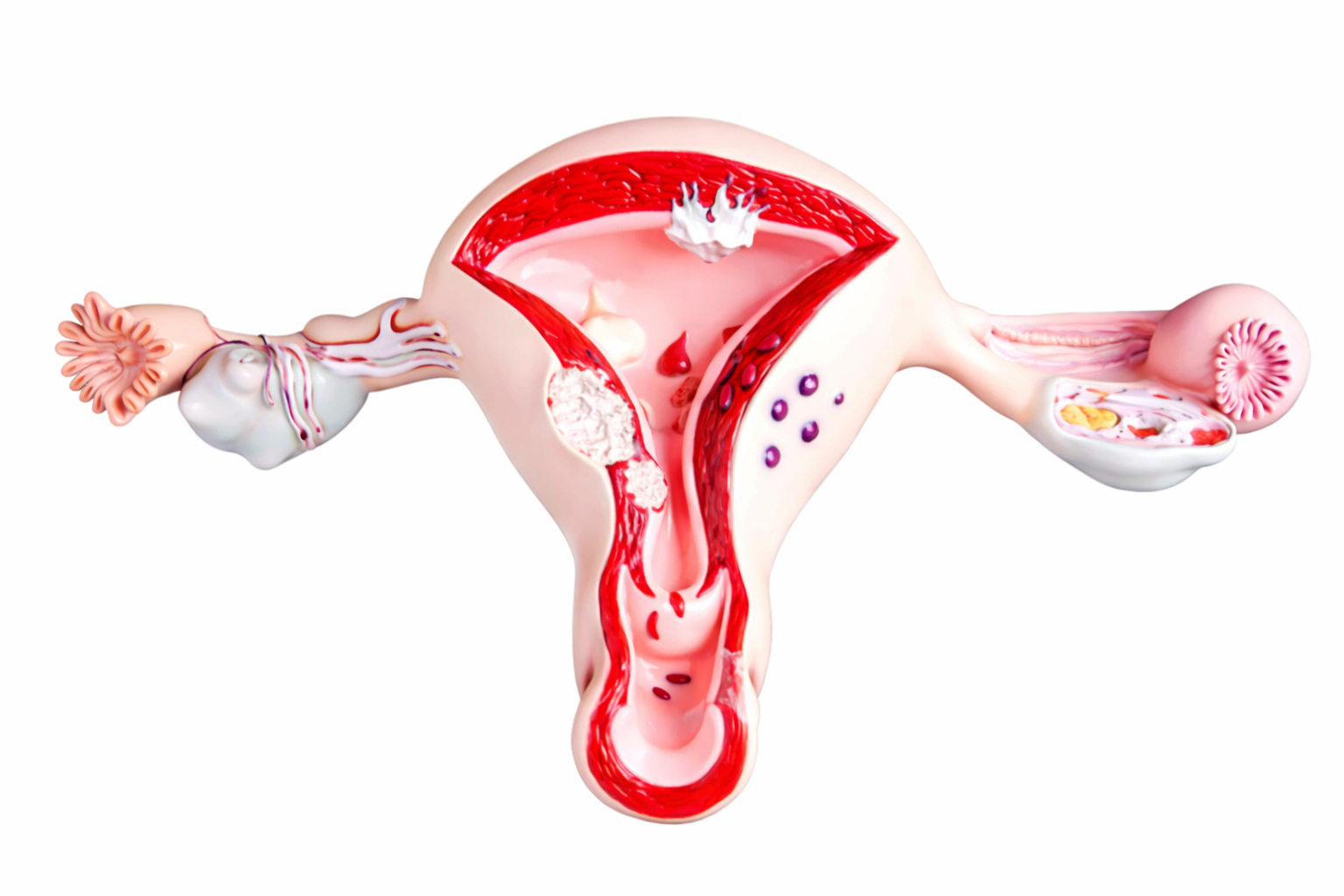
A uterine septum is a congenital structural variation that partially or completely divides the uterine cavity into two sections. It occurs when the ducts that form the uterus during fetal development do not fully fuse.
The thickness and length of the septum may vary from person to person:
Partial (incomplete) septum: Separates a portion of the uterine cavity.
Complete septum: May completely divide the uterine cavity into two parts.
In some women, this condition may go unnoticed throughout life, while in others it may be detected during evaluation for pregnancy-related problems.
What Are the Symptoms of a Uterine Septum?
A uterine septum often does not cause noticeable symptoms. However, it may be associated with:
Recurrent miscarriage
History of chemical pregnancy
Early pregnancy losses
Infertility (inability to conceive)
Menstrual irregularities (rarely)
Not every miscarriage or pregnancy problem is caused by a uterine septum. Therefore, a thorough medical evaluation is important.
How Is a Uterine Septum Diagnosed?
A uterine septum is usually evaluated using the following methods:
1. Ultrasound (Especially 3D Ultrasound)
Provides detailed information about the shape of the uterine cavity.
2. Hysteroscopy
Hysteroscopy allows direct visualization of the inside of the uterus using a small camera.
3. Hysterosalpingography (HSG)
Commonly known as a uterine X-ray, it provides information about the uterine cavity and fallopian tubes.
During the diagnostic process, the patient’s medical history, number of miscarriages, and previous treatments are evaluated together.
How Is Uterine Septum Treated?
Not every case of uterine septum requires treatment. The decision is based on the patient’s symptoms, pregnancy history, and IVF plans.
Hysteroscopic Septum Resection
This is the most commonly used method.
It is a minimally invasive (closed) procedure without abdominal incisions.
It is usually completed in a short time.
Most patients can be discharged on the same day.
The goal is to create a more suitable uterine environment for pregnancy.
How Does a Uterine Septum Affect the IVF Process?
In IVF treatment, the embryo is transferred into the uterus. Structural irregularities inside the uterus may in some cases:
Make embryo implantation more difficult
Increase the risk of pregnancy loss
However, not every uterine septum negatively affects IVF success.
For this reason, evaluating the uterine cavity is an important step in patients planning IVF treatment. In appropriately selected cases, pregnancy rates may improve after treatment.
Does IVF Success Increase After Uterine Septum Surgery?
Scientific studies have shown that pregnancy rates may increase after treatment in patients with recurrent miscarriage and a diagnosed uterine septum.
However, IVF success does not depend solely on uterine structure.
Other factors affecting success include:
Female age
Ovarian reserve
Embryo quality
Sperm parameters
Genetic factors
Therefore, each patient should be evaluated individually.
Why Is Uterine Evaluation Important Before IVF?
In IVF treatment, the embryo implants inside the uterus. For this reason:
Structural uterine abnormalities
Presence of polyps, fibroids, or septum
Endometrial thickness
are considered during treatment planning.
Accurate diagnosis and individualized planning are important steps in the IVF process.
A uterine septum is a congenital structural variation inside the uterus. It may not always cause symptoms; however, in some patients it may affect pregnancy loss or IVF success.
Evaluating the uterine structure in patients planning IVF and treating appropriate cases may help improve the chance of success.
Uterine Evaluation and IVF Planning at Our Clinic
Before starting the IVF process, a detailed uterine evaluation is performed and a personalized treatment plan is created.
For detailed information and appointments, please contact our center.
Frequently Asked Questions
What is a uterine septum?
A uterine septum is a congenital tissue partition that partially or completely divides the uterine cavity. It develops when the structures forming the uterus do not fully fuse during fetal development. While it may cause no symptoms in some women, in others it may be associated with pregnancy loss.
Does a uterine septum prevent pregnancy?
A uterine septum does not always prevent pregnancy. Many women can conceive naturally with this condition. However, in some cases it may make embryo implantation more difficult or increase the risk of early pregnancy loss. Evaluation should be individualized.
Does a uterine septum affect IVF success?
In some cases, a uterine septum may affect the implantation area of the embryo. Evaluation of the uterine cavity is especially important in patients with recurrent IVF failure or miscarriage history. However, IVF success is not determined solely by uterine structure.
What are the symptoms of a uterine septum?
A uterine septum often causes no symptoms. It may be detected during evaluation for recurrent miscarriage, early pregnancy loss, or infertility. Rarely, menstrual irregularities may occur. A specialist examination is required for accurate assessment.
How is a uterine septum diagnosed?
Diagnosis is usually made through 3D ultrasound, hysterosalpingography (HSG), or hysteroscopy. These methods provide detailed visualization of the uterine cavity. The patient’s medical and pregnancy history are also taken into consideration.
How is uterine septum surgery performed?
Treatment is typically performed using a hysteroscopic method. It is a minimally invasive procedure without abdominal incisions. The septum tissue is corrected using a small camera inserted into the uterus. The procedure and recovery time are generally short.
Does every uterine septum require surgery?
No. Surgery may not be necessary in patients who have had a healthy pregnancy or do not have a history of miscarriage. The decision is made based on the patient’s clinical condition and pregnancy plans.
When can IVF be performed after uterine septum surgery?
IVF can be planned after the healing process of the uterus is complete. The timing varies from patient to patient and is determined under medical supervision.
Can a uterine septum recur?
A septum corrected hysteroscopically usually does not recur. However, follow-up examinations are important, as each patient is different.
Why is uterine evaluation important before IVF?
In IVF treatment, the embryo is transferred into the uterus. Therefore, the uterine cavity must be structurally suitable. Conditions such as polyps, fibroids, or septum are considered during treatment planning.