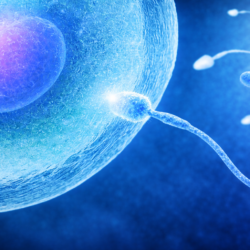
In Vitro Fertilization (IVF) Process
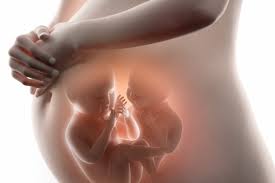
When couples struggle with fertility issues, they often turn to assisted reproductive technology to help them conceive. One of the most well-known methods is in vitro fertilization (IVF), which involves combining an egg and sperm outside of the body in a laboratory. The fertilized egg is then implanted in the uterus, with the hope that it will result in a successful pregnancy. While IVF has helped countless couples become parents, it can sometimes lead to Twin Pregnancy in In Vitro Fertilization, especially when multiple embryos are transferred to increase the chances of success.
The IVF process has been transformative for many families, but it can also be complex and emotionally demanding. Understanding the possibilities, including the risk of Twin Pregnancy in In Vitro Fertilization, is important for couples considering this path.
 One of the first steps in the IVF process is ovarian stimulation, which involves taking medication to encourage the ovaries to produce multiple eggs. This increases the chances of a successful fertilization and implantation.
The eggs are then retrieved from the ovaries using a minor surgical procedure. The sperm are collected, and the eggs and sperm are combined in a laboratory dish, where fertilization takes place. The resulting embryos are monitored for a few days to determine which ones are the most viable for implantation.
Once the embryos are ready, they are transferred to the uterus using a thin catheter. This procedure is relatively quick and painless, and the woman can resume normal activities shortly afterwards. A pregnancy test is typically performed about two weeks after the embryo transfer to determine if the IVF process was successful. For many couples, this waiting period can be incredibly stressful, as it often represents their last chance at starting a family.
Although the IVF process can be physically and emotionally challenging, it has brought joy to countless couples who have struggled to conceive. Advances in technology and medicine continue to improve the success rates of IVF, giving hope to those who dream of becoming parents.
Factors Contributing To The Occurrence Of Twin Pregnancy
There are several factors contributing to the occurrence of twin pregnancy, and understanding these factors can help individuals and couples who are considering starting a family to be better informed about the likelihood of conceiving twins.
One of the primary factors that contribute to the occurrence of twin pregnancy is maternal age. Women who are older, particularly those over the age of 30, are more likely to release more than one egg during ovulation, increasing the chances of conceiving fraternal twins.
Another significant factor is family history. Genetics can play a role in determining the likelihood of conceiving twins. If a woman has a family history of twins, particularly on her mother’s side, she may be more prone to conceiving twins herself.
Additionally, certain fertility treatments can also increase the likelihood of conceiving twins. For example, women who undergo in vitro fertilization (IVF) are more likely to have twins, as multiple embryos are often transferred in order to increase the chances of a successful pregnancy.
Genetic Predisposition To Twins
Genetic predisposition to twins is a fascinating topic that has intrigued scientists and researchers for many years. While the occurrence of twins is often attributed to factors such as age and fertility treatments, the role of genetics in the likelihood of having twins cannot be overlooked.
One of the most well-known genetic factors that can contribute to the occurrence of twins is a woman’s family history. If a woman has a family history of twins, especially on her mother’s side, she may have an increased likelihood of conceiving twins herself. This is because a woman’s genetic makeup can influence her likelihood of releasing multiple eggs during her menstrual cycle, which can result in conceiving fraternal twins.
Additionally, recent studies have identified specific genes that are associated with an increased likelihood of having twins. These genes are involved in the production and release of hormones that can stimulate the ovaries to release multiple eggs. While the exact mechanisms of these genes are still being researched, the findings provide valuable insights into the genetic predisposition to twins.
It is important to note that genetic predisposition to twins does not guarantee that a woman will conceive twins, but rather increases the likelihood of it occurring. Factors such as age, fertility treatments, and environmental influences also play a significant role in the occurrence of twin pregnancy. As research in this field continues to evolve, a better understanding of the genetic factors contributing to twins will undoubtedly emerge, providing valuable insights into reproductive genetics.
The Role Of Age In Twin Pregnancy During Ivf
When it comes to IVF and the occurrence of twin pregnancy, age plays a significant role. As women age, their chances of having twins increase, especially when undergoing IVF treatment. This is due to the fact that older women tend to release more than one egg during their menstrual cycle, which can result in a higher likelihood of conceiving twins.
Another factor to consider is the quality of a woman’s eggs. As women age, the quality of their eggs diminishes, making it more difficult to conceive. However, the remaining eggs may be of higher quality and more likely to result in a successful pregnancy, including the possibility of conceiving twins.
Exploring Genetic And Environmental Factors In Twin Pregnancy
When it comes to the occurrence of twin pregnancy, there are a variety of factors that come into play. An important aspect to consider is the role of genetic and environmental factors in influencing the likelihood of conceiving twins. Researchers have been exploring the intricate relationship between genetics and the environment and how they contribute to the occurrence of twin pregnancies.
One of the key factors that has been found to influence the occurrence of twin pregnancy is genetic predisposition. It has been observed that certain ethnic groups have a higher incidence of twin births due to genetic factors. For example, African and African-American women are more likely to conceive twins compared to women from other ethnic backgrounds. This suggests that there is a genetic component to the likelihood of having twins.
Additionally, environmental factors also play a significant role in influencing the occurrence of twin pregnancy. Factors such as maternal age, diet, and lifestyle habits can impact the chances of conceiving twins. For instance, women who are older are more likely to have fraternal twins due to hormonal changes that can lead to the release of multiple eggs during ovulation. Similarly, certain dietary habits and lifestyles can also influence the likelihood of conceiving twins.
Overall, the occurrence of twin pregnancy is a complex interplay between genetic and environmental factors. Understanding the intricate relationship between genetics and the environment can provide valuable insights into the occurrence of twin pregnancies and may have important implications for fertility treatments and family planning.