How Do Thyroid Hormones Affect Pregnancy?
The thyroid gland is a small but powerful organ located at the front of the neck. It produces T3 (triiodothyronine) and T4 (thyroxine), the hormones that regulate metabolism. These hormones not only maintain energy balance but also play a vital role in reproductive health and the course of pregnancy. When discussing Pregnancy and Thyroid, it is clear that hormonal balance is critical. But how do imbalances in thyroid hormones affect conception and the ability to sustain a healthy pregnancy?
Thyroid Hormones and Fertility
 Menstrual Cycle:
Thyroid dysfunction can cause menstrual irregularities or even the absence of periods. This disrupts ovulation, making it harder to conceive.
Ovulation:
Hypothyroidism (underactive thyroid) may suppress ovulation, while hyperthyroidism (overactive thyroid) can make ovulation irregular.
Hormonal Balance:
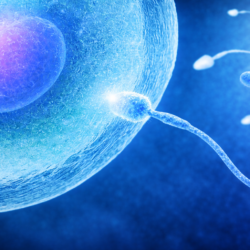
The thyroid also influences reproductive hormones such as estrogen and progesterone. Any imbalance can hinder the implantation of a fertilized embryo in the uterus, which shows why Pregnancy and Thyroid health are closely linked.
The Importance of Thyroid Hormones During Pregnancy
A mother’s thyroid health is critical throughout pregnancy, both for her and for the baby. Understanding the connection between Pregnancy and Thyroid function helps minimize risks.
Baby’s Brain Development: During the first 12 weeks, the fetus relies entirely on the mother’s thyroid hormones. Insufficient hormone levels can negatively affect brain and nervous system development.
Risk of Miscarriage: Uncontrolled hypothyroidism or hyperthyroidism increases the risk of miscarriage, premature birth, or stillbirth.
Pregnancy Complications: Thyroid problems may lead to preeclampsia, anemia, growth restriction, or postpartum hemorrhage.
Common Thyroid Disorders During Pregnancy
Hypothyroidism (Underactive Thyroid):
Symptoms include fatigue, weight gain, constipation, and dry skin. During pregnancy, it raises the risk of miscarriage and intrauterine growth restriction.
Hyperthyroidism (Overactive Thyroid):
Typical signs include heart palpitations, weight loss, nervousness, and hand tremors. In pregnancy, it poses risks for both mother and baby, such as preterm delivery or pregnancy-induced hypertension.
How to Protect Your Thyroid Health
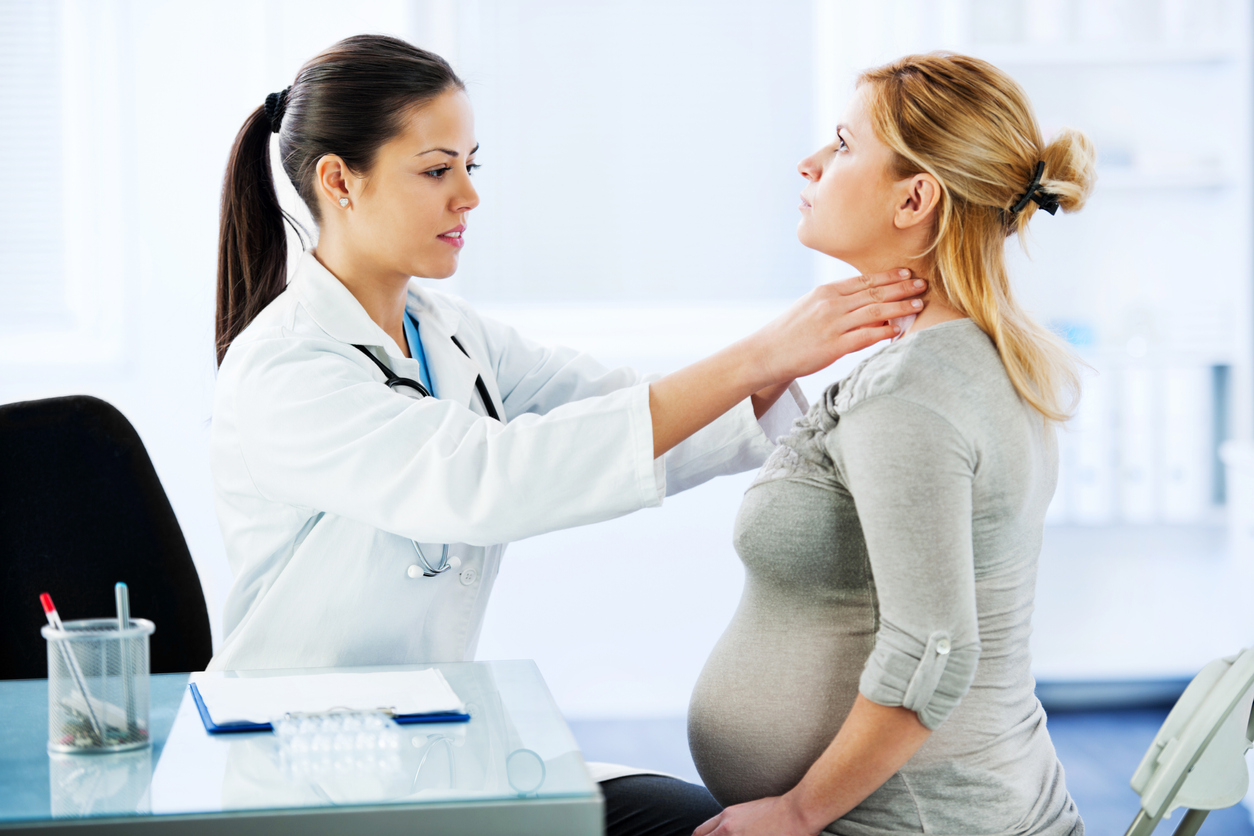
If you are planning a pregnancy, get your thyroid hormone levels (TSH, T3, T4) checked.
Do not take iodine supplements or thyroid medication without your doctor’s advice.
Regularly monitor your thyroid function to keep hormone levels within the normal range throughout pregnancy.
Be extra cautious if you have a family history of thyroid disease.
By taking these steps, women can better manage the delicate balance between Pregnancy and Thyroid health.
Conclusion
Thyroid hormones affect not only metabolism but also fertility and the healthy progression of pregnancy. The relationship between Pregnancy and Thyroid is undeniable, which is why women planning pregnancy and expectant mothers should have their thyroid function checked regularly. This protects both their own health and the proper development of their baby.
Remember: with early diagnosis and appropriate treatment, thyroid disorders can be managed, allowing for a safe and healthy pregnancy.