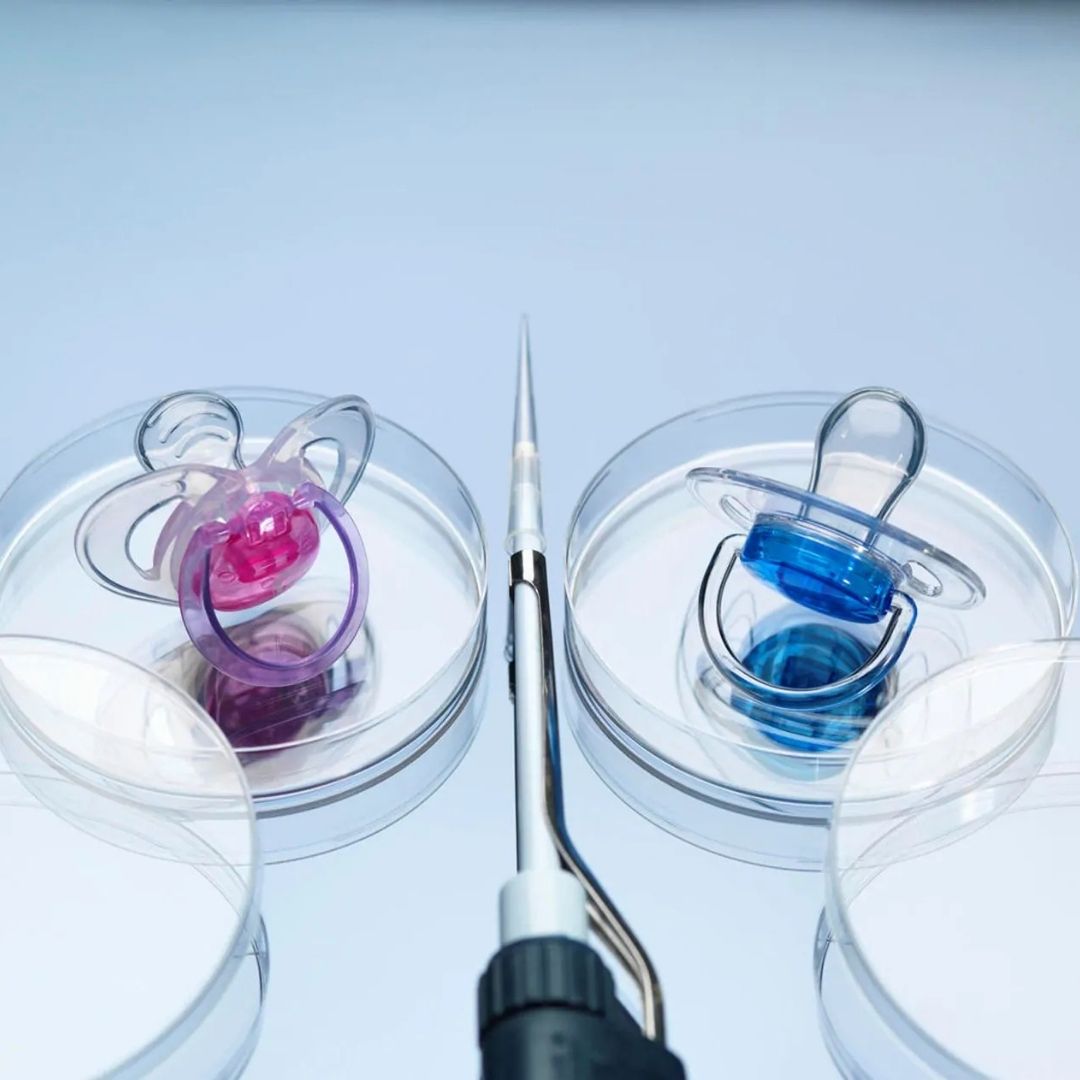
Gender Determination in IVF Treatment: Scientific Facts and Legal Framework
What Is Gender Determination in IVF Treatment?
In vitro fertilization (IVF) continues to provide hope for thousands of couples wishing to have children. One of the most frequently asked questions in this process is whether it is possible to determine the baby’s gender at the embryonic stage.
So, is gender selection truly possible with IVF? How does the process work from a scientific and legal perspective? Let’s clarify this subject with accurate, up-to-date, and easy-to-understand information.
Is Gender Determination Scientifically Possible?
Yes, from a scientific and technical perspective, it is possible to determine the baby’s gender during IVF treatment.
This procedure is performed using an advanced genetic screening method called Preimplantation Genetic Testing (PGT).
How Does the PGT Method Work?
PGT is a laboratory procedure used to analyze the genetic structure of embryos before they are transferred into the uterus:
IVF Stage: Eggs retrieved from the mother are fertilized with the father’s sperm in the laboratory to create embryos.
Embryo Biopsy: On the fifth day of development (blastocyst stage), a few cells are carefully removed from the embryo without causing harm.
Genetic Analysis: These cells are analyzed in a genetic laboratory. During this process, the number and structure of chromosomes are examined.
Gender Determination: Human gender is determined by the X and Y chromosomes. The XX combination indicates a female, while XY indicates a male. PGT can identify an embryo’s gender with approximately 99% accuracy.
Transfer: Genetically healthy embryos of the determined gender are transferred into the mother’s uterus.
Is Gender Selection Legal in Turkey?
Under the current legal regulations of the Republic of Turkey, gender selection through IVF is prohibited unless there is a medical necessity. It cannot be performed solely at the parents’ request.
Exceptional Circumstances:
Lawmakers allow gender selection only to prevent the transmission of severe sex-linked (X or Y chromosome-related) genetic diseases to the newborn.
If a hereditary condition occurs exclusively in either male or female children within a family, then transferring a healthy embryo of the unaffected gender may be permitted. Such a case must be documented and confirmed by a genetic specialist.
👉 Gender selection for non-medical reasons such as “family planning” or “balancing family gender ratio” is not allowed in IVF centers in Turkey.
Options Abroad
Couples who wish to choose their baby’s gender for non-medical reasons may consider countries where this practice is legally permitted, such as the Turkish Republic of Northern Cyprus (TRNC).
In these centers, couples can undergo gender selection through legally regulated procedures such as PGT or MicroSort (sperm sorting).
However, when opting for treatment abroad, it is essential to:
thoroughly research the legal validity of the procedure,
consider the ethical aspects,
and verify the reliability and credibility of the clinic.
The Main Purpose of PGT: Healthy Babies
Although gender determination is a popular topic, the primary and most important purpose of PGT is to screen embryos for genetic diseases and chromosomal abnormalities.
The benefits include:
reducing the risk of miscarriage,
increasing the success rate of IVF,
identifying and excluding embryos carrying chromosomal anomalies such as Down syndrome or single-gene disorders (e.g., Thalassemia, Cystic Fibrosis),
ultimately improving the chances of achieving a healthy pregnancy.
Conclusion
Thanks to PGT, it is possible to determine the gender of an embryo with high accuracy during IVF treatment.
In Turkey, however, this procedure is only permitted in cases of medical necessity, specifically to prevent the risk of transmitting severe sex-linked genetic diseases.
Couples seeking gender selection for non-medical reasons must consider countries with more flexible legal regulations.
In every case, the most appropriate and personalized guidance should be sought from a reproductive medicine specialist (IVF doctor) and a medical genetics expert.