In IVF (in vitro fertilization) treatment, the most exciting and eagerly awaited period is the time after embryo transfer when the pregnancy result is learned. For expectant mothers, questions such as “Has the embryo implanted?”, “When should Beta HCG be measured?” and “When will the pregnancy be confirmed?” are among the most frequently researched topics during this period.
How Does the Process Progress After Embryo Transfer?
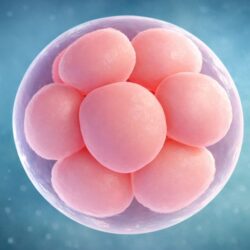
IVF treatment is completed with embryo transfer after the stages of ovarian stimulation, egg retrieval (OPU), fertilization in the laboratory, and embryo development.
After transfer, the process progresses as follows:
The embryo is placed inside the uterus.
Under suitable conditions, the embryo attaches to the uterine wall (implantation).
If implantation occurs, the pregnancy hormone (Beta HCG) begins to be secreted.
Pregnancy status is determined by a blood test.
At this stage, being patient is very important. Because tests performed too early may give misleading results.
When Does Embryo Implantation Occur?
The timing of implantation may vary depending on the day of the transferred embryo:
If a Day 3 embryo is transferred: Implantation usually occurs 3–5 days after transfer.
If a Day 5 embryo (blastocyst) is transferred: Implantation generally occurs within 24–48 hours.
However, each individual’s process is different. The exact moment of implantation cannot be felt and often does not cause symptoms.
What Is Beta HCG?
Beta HCG (Human Chorionic Gonadotropin) is the pregnancy hormone that begins to be secreted after the embryo attaches to the uterus.
This hormone:
First rises in the blood.
Then reaches a detectable level in urine.
In a healthy pregnancy, it approximately doubles every 48 hours.
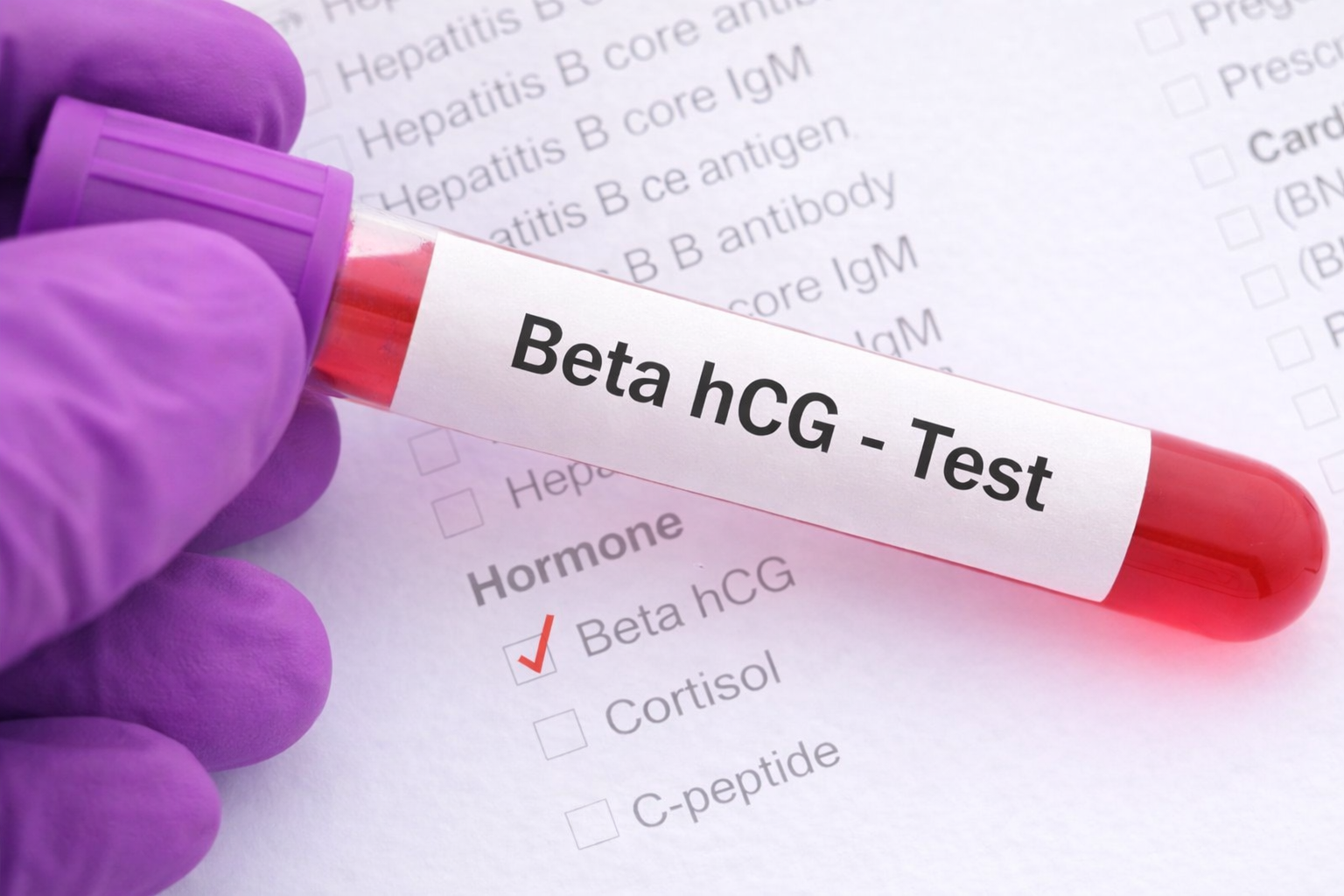
The most reliable method for pregnancy diagnosis is the Beta HCG blood test.
When Is Beta HCG Measured?
The ideal time for the Beta HCG test after embryo transfer is:
10–12 days after transfer.
Tests performed before this period:
May give false negative results.
May cause unnecessary stress.
May give false positive results due to hormone injections.
For this reason, IVF centers usually schedule the 12th day after transfer as the test day.
What Should the Beta HCG Level Be?
A single Beta HCG value does not always provide sufficient information. What is important is:
The first result being positive
A regular increase in the hormone level in the repeat test performed 48 hours later
However, for a definitive pregnancy evaluation, ultrasound control in the following weeks is necessary. Especially between weeks 6–8, seeing the gestational sac and heartbeat is an important stage.
What Are the Symptoms After Embryo Transfer?
Clear pregnancy symptoms are not expected in the early period after transfer. Most complaints may be related to the hormonal medications used.
Common situations include:
Groin and lower back pain
Breast tenderness
Mild bloating
Emotional changes
In some women, light pink or brown spotting may be seen a few days after transfer. This may be implantation bleeding; however, a test result is required for a definite interpretation.
In the early period:
Severe nausea
Vomiting
Low blood pressure
are generally not observed.
Should a Home Pregnancy Test Be Done?
Home urine tests become positive later compared to the Beta HCG blood test. Additionally, early testing may give false results.
The most accurate approach:
✔ On the date recommended by your doctor
✔ Having a Beta HCG blood test
When Is Pregnancy Confirmed?
A positive Beta HCG result indicates that pregnancy has begun; however, whether it is progressing healthily is evaluated by:
The rate of hormone increase
Ultrasound findings
For IVF centers, the most important check is usually seeing the heartbeat around the 8th week.
Frequently Asked Questions
How many days after embryo transfer is pregnancy confirmed?
Approximately 10–12 days after embryo transfer, the pregnancy result can be learned with a Beta HCG blood test.
When does a Day 5 embryo implant?
A Day 5 (blastocyst) embryo usually attaches to the uterine wall within 24–48 hours after transfer.
What happens if the Beta HCG test is done early?
Very early testing may give false negative results or misleading results due to medications used.
Is groin pain after transfer a sign of pregnancy?
Groin pain may be related to medications or seen during implantation. It is not a sign of pregnancy on its own.
At what Beta HCG level is pregnancy considered positive?
Although it varies according to laboratory reference values, levels above 5 mIU/mL are generally considered positive. However, evaluation should be done under medical supervision.
Should a home test be done after embryo transfer?
Home testing is not recommended in the early period. The most accurate result is obtained with a Beta HCG blood test.