Embryo Development and Uterine Implantation: Everything You Need to Know for a Healthy Pregnancy
Embryo development and uterine implantation are fundamental components of a healthy pregnancy. For those embarking on the journey to parenthood, understanding these two critical stages is essential. This guide covers the stages of embryo development, the importance of implantation, essential nutrients, the impact of the uterine environment, and effective strategies for successful implantation.
What Is Embryo Development? What Are the Key Stages?
Embryo development begins with fertilization and progresses through several important stages:
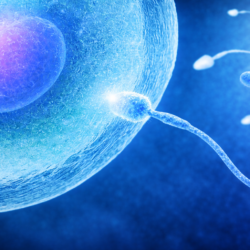
Zygote Stage: Formed when the sperm fertilizes the egg.
Mitosis (Cell Division): The zygote rapidly divides into multiple cells.
Blastocyst Formation: Around days 5–6 post-fertilization, the embryo reaches the blastocyst stage.
Implantation: The blastocyst attaches to the uterine wall.
Proper progression through these stages is vital for the continuation of a healthy pregnancy.
Why Is Implantation Important?
Implantation is the process by which the blastocyst embeds into the uterine lining. A successful implantation allows the embryo to access oxygen and essential nutrients. Several factors are crucial during this stage:
Hormonal balance
Thickness of the uterine lining
Uterine blood flow
If implantation fails, pregnancy cannot occur. Therefore, a suitable uterine environment directly impacts the chances of a successful pregnancy.
What Nutrients Support Embryo Development?
Nutrition plays a critical role in both embryo development and implantation. Key nutrients include:
Folic Acid: Essential for cell division (found in leafy greens and legumes).
Iron: Supports oxygen transport (found in red meat, spinach).
Omega-3 Fatty Acids: Important for brain development (found in salmon, walnuts, flaxseeds).
Calcium: Aids in bone development (found in dairy products, almonds).
Vitamins A, C, D, E: Necessary for cell growth and immune support.
A well-balanced diet is vital for healthy embryo development.
How Does the Uterine Environment Affect Embryo Development?
The uterine environment is a key factor in ensuring that the embryo implants and develops properly. An ideal environment includes:
Adequate endometrial thickness
Balanced estrogen and progesterone hormone levels
Healthy blood circulation
Absence of infections or abnormalities
Issues such as fibroids or infections can hinder implantation. Prioritizing uterine health can increase the likelihood of pregnancy success.
Healthy Lifestyle Tips to Support Embryo Development
To support embryo growth and successful implantation, consider adopting the following healthy lifestyle habits:
Balanced Diet: Eat foods rich in essential vitamins and minerals.
Stress Management: Practice yoga, meditation, or breathing exercises.
Regular Sleep: Aim for at least 7–8 hours of restful sleep daily.
Moderate Exercise: Helps boost blood flow; avoid excessive intensity.
Avoid Smoking and Alcohol: Both negatively affect fertility and embryo development.
Hydration: Drink enough water to support overall bodily functions.
Effective Methods to Support Uterine Implantation
To increase the chances of successful implantation, the following strategies may help:
Ovulation Tracking: Timing intercourse during ovulation boosts conception chances.
Supplement Use: Take folic acid and vitamin D under medical guidance.
Uterine Health Support: Seek medical treatments if necessary.
Stress Reduction: Lower stress to prevent uterine contractions.
IVF Monitoring: In assisted reproduction, medical supervision is crucial for embryo transfer success.
Additional Tips for Supporting Embryo Development
Regular Medical Checkups: Don’t skip gynecological exams and hormone testing.
Medication Awareness: Consult your doctor about medications before pregnancy.
Avoid Environmental Toxins: Stay away from harmful chemicals and pollution.
Accurate Information and Preparation Are Key to a Healthy Pregnancy
Embryo development and uterine implantation are stages that must be carefully managed by those preparing for pregnancy. Factors such as nutrition, lifestyle, uterine health, and hormonal balance directly influence this delicate process. Taking science-based steps, seeking professional guidance, and preparing your body for pregnancy are crucial to ensure a healthy start for both mother and baby.