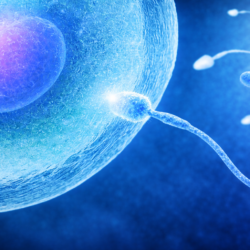
IVF Treatment with Stem Cells
What are Stem Cells and Their Potential in IVF Treatment?
Stem cells are undifferentiated cells that have the remarkable ability to develop into various types of specialized cells in the body. They hold tremendous potential for regenerative medicine and have recently garnered attention in the field of assisted reproductive technologies, particularly in IVF treatment.
Understanding Stem Cell Therapy in IVF Treatment
Stem cell therapy in IVF treatment involves the utilization of different types of stem cells to improve the success rates and outcomes of the procedure. Here are a few ways in which stem cell therapy is being explored in the context of IVF:
Ovarian Stem Cells: Ovarian stem cells, also known as oogonial stem cells, are a type of stem cell found in the ovaries. Researchers are investigating their potential to replenish the ovarian reserve and enhance fertility in women with diminished ovarian function. It is believed that these cells could be used to stimulate the growth and development of new eggs, potentially expanding the options for women struggling with infertility.
Endometrial Stem Cells: The endometrium, the lining of the uterus, plays a crucial role in implantation and pregnancy. Endometrial stem cells have shown promise in promoting endometrial regeneration and improving the receptivity of the uterine lining. By introducing these stem cells into the uterus, it is believed that the success rates of embryo implantation and pregnancy can be increased.
Embryonic Stem Cells: Embryonic stem cells have the potential to differentiate into any cell type in the body. They have been explored in research settings to study early embryo development and improve the quality of embryos used in IVF. However, due to ethical considerations and legal restrictions in many regions, the use of embryonic stem cells in clinical settings remains highly regulated.
Mesenchymal Stem Cells: Mesenchymal stem cells (MSCs) are multipotent cells that can differentiate into various cell types, including cells of the reproductive system. These cells have shown promise in improving the success rates of IVF by enhancing the quality of embryos, reducing inflammation, and promoting tissue repair.
Current Challenges and Future Directions
While stem cell therapy in IVF treatment holds great promise, there are still several challenges to overcome before it can become a widely adopted clinical practice:
Safety and Efficacy: Extensive research is needed to ensure the safety and efficacy of stem cell therapies in the context of IVF treatment. Long-term studies and clinical trials are essential to establish the optimal protocols and determine potential risks.
Ethical Considerations: The use of certain types of stem cells, such as embryonic stem cells, raises ethical concerns. It is crucial to navigate these ethical considerations and develop alternative approaches using ethically acceptable stem cell sources.
Regulatory Frameworks: Stem cell therapies in assisted reproductive technologies require strict regulatory oversight to ensure patient safety and prevent the exploitation of vulnerable individuals. Developing robust regulatory frameworks is essential to govern the ethical and responsible use of stem cell-based interventions in IVF treatment.
Accessibility and Affordability: Stem cell therapies can be complex and costly. Making these treatments accessible and affordable to a wider population will require further advancements, technological innovations, and cost-effective manufacturing processes.
While stem cell therapy in IVF treatment is still in its early stages, ongoing research and advancements in the field show promising potential. As scientists continue to explore the therapeutic applications of stem cells, we can hope for more personalized and effective approaches to assist couples struggling with infertility.
Stem cell therapy holds great promise in the field of assisted reproductive technologies, particularly in IVF treatment. Through the utilization of various types of stem cells, researchers aim to enhance fertility, improve embryo quality, and promote successful implantation. However, further research, clinical trials, and regulatory frameworks are necessary to ensure safety, efficacy, and ethical use of stem cell-based interventions in IVF treatment. As advancements continue, stem cell therapy may offer new possibilities for individuals and couples seeking to overcome infertility challenges and achieve their dream of starting a family.