What is FSH?
FSH, or Follicle-Stimulating Hormone, is an important hormone in the human body that plays a crucial role in the reproductive system. It is produced by the pituitary gland, a small gland located at the base of the brain. FSH is responsible for the growth and development of ovarian follicles in women and the production of sperm in men.
The Role of FSH in Women
In women, FSH plays a central role in the menstrual cycle and the development of eggs. Here are the key functions of FSH in women:
Follicle Development: FSH stimulates the growth and development of ovarian follicles, which are small fluid-filled sacs in the ovaries. Each follicle contains an immature egg. As FSH levels rise, several follicles begin to develop, but usually only one becomes dominant and continues to grow.
Estrogen Production: As the dominant follicle grows, it produces estrogen under the influence of FSH. Estrogen is important for the thickening of the uterine lining and the preparation of the reproductive system for potential fertilization.
Ovulation: When FSH levels reach their peak, it triggers a surge of luteinizing hormone (LH), which leads to ovulation. Ovulation is the release of the mature egg from the ovary into the fallopian tube, where it can be fertilized by sperm.
The Role of FSH in Men
In men, FSH plays a crucial role in sperm production. Here’s how FSH functions in the male reproductive system:
Sperm Production: FSH stimulates the production of sperm cells in the testes. It acts on the Sertoli cells within the testes, which support the maturation of sperm cells.
Testosterone Regulation: FSH also plays a role in regulating the production of testosterone, the primary male sex hormone. Testosterone is essential for the development of male reproductive organs and secondary sexual characteristics.
FSH Testing and Treatment
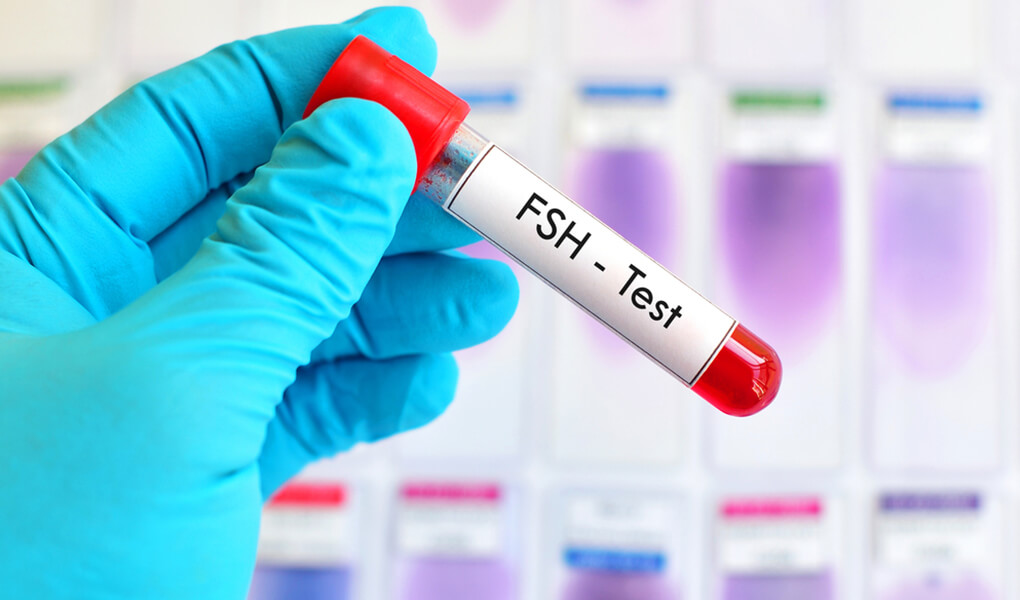
Measuring FSH levels in the blood can provide valuable insights into fertility and reproductive health. FSH testing is commonly performed in both men and women as part of infertility evaluations.
Abnormal FSH levels may indicate various reproductive disorders. High FSH levels in women can be a sign of diminished ovarian reserve or premature ovarian failure, while low FSH levels may suggest an issue with the pituitary gland or hypothalamus.
In fertility treatments, FSH is often used as a medication to stimulate ovulation and promote the development of multiple follicles. It can be administered through injections to assist in controlled ovarian stimulation in assisted reproductive technologies such as in vitro fertilization (IVF). FSH is a crucial hormone involved in the reproductive processes of both women and men. In women, it supports follicle development, estrogen production, and ovulation, while in men, it plays a key role in sperm production. Understanding the role of FSH is important for diagnosing and treating fertility issues, and it can significantly impact the success of fertility treatments. Consulting with a healthcare professional is essential for individuals seeking fertility evaluations or treatments involving FSH.
FSH Disorders and Imbalances
While FSH plays a vital role in reproductive health, certain disorders and imbalances can affect its function. Here are some common FSH-related conditions:
Polycystic Ovary Syndrome (PCOS): PCOS is a hormonal disorder that affects many women of reproductive age. It is characterized by high levels of FSH and LH, leading to the development of multiple small cysts on the ovaries. PCOS can disrupt the normal menstrual cycle and cause fertility issues.
Primary Ovarian Insufficiency (POI): POI, also known as premature ovarian failure, occurs when the ovaries stop functioning before the age of 40. Women with POI have elevated FSH levels, indicating a diminished ovarian reserve and reduced fertility.
Hypogonadism: Hypogonadism is a condition where the sex glands (ovaries in women, testes in men) produce little or no sex hormones. It can result in low FSH levels, impacting fertility and sexual development.
Pituitary Disorders: Conditions affecting the pituitary gland, such as tumors or dysfunction, can disrupt the production and regulation of FSH. This can lead to irregular FSH levels and affect reproductive health.
Treatment Options for FSH Disorders
The treatment approach for FSH disorders depends on the specific condition and individual circumstances. Here are some common treatment options:
Medications: In cases of hormonal imbalances, medications may be prescribed to regulate FSH levels and restore normal hormone function. For example, in PCOS, oral contraceptives or other hormone-regulating medications may be used.
Assisted Reproductive Technologies (ART): In cases of fertility issues related to FSH imbalances, ART procedures like IVF can be utilized. IVF involves controlled ovarian stimulation using FSH injections to promote the development of multiple follicles. The matured eggs are then collected, fertilized with sperm in the laboratory, and transferred to the uterus.
Hormone Replacement Therapy (HRT): For women experiencing menopausal symptoms due to premature ovarian failure or low FSH levels, HRT may be prescribed. This therapy helps alleviate symptoms and maintain hormonal balance.
Surgical Interventions: In certain cases, surgical interventions may be necessary to address underlying causes of FSH disorders. For example, in the presence of a pituitary tumor affecting FSH production, surgical removal or radiation therapy may be recommended.It’s important to note that the treatment options and success rates vary depending on the specific condition and individual factors. Consulting with a healthcare professional specializing in reproductive health is essential to determine the most suitable treatment approach.
FSH plays a crucial role in the reproductive system of both women and men. It is responsible for follicle development, estrogen production, ovulation in women, and sperm production in men. Disorders and imbalances related to FSH can have significant implications for fertility and reproductive health.
Understanding FSH and its role in the body is essential for diagnosing and treating fertility issues. Through medical interventions such as medication, assisted reproductive technologies, hormone replacement therapy, and surgery, individuals with FSH disorders can often find effective solutions to improve their reproductive health.If you suspect any concerns related to FSH or fertility, it is important to seek professional medical advice and guidance to receive an accurate diagnosis and develop an appropriate treatment plan. With advancements in reproductive medicine, many individuals can overcome fertility challenges and fulfill their dreams of building a family.