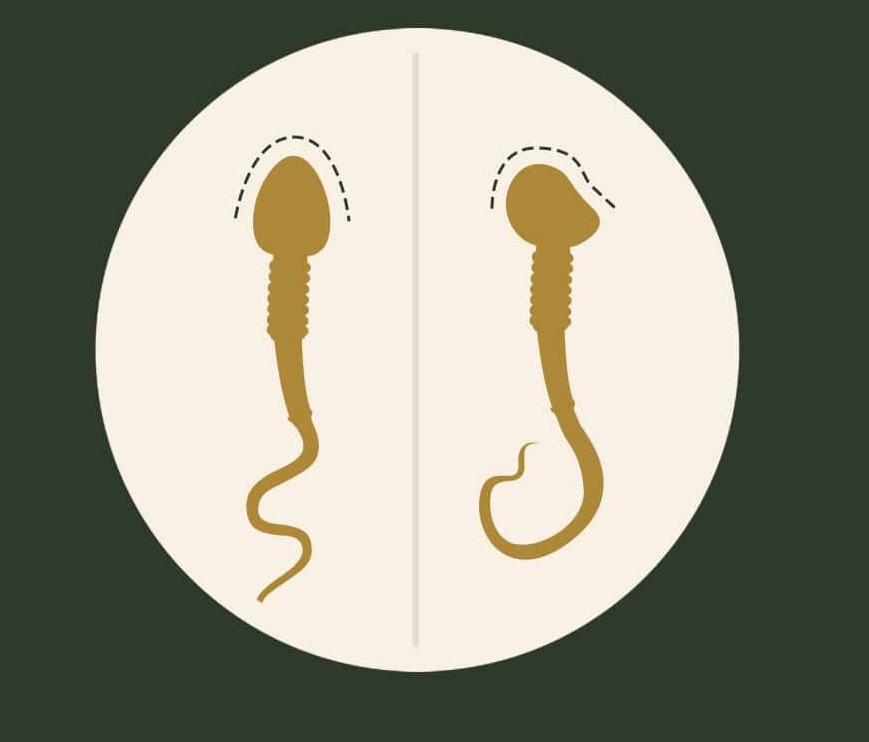
What are Sperm Shape (Morphology) Disorders?
Sperm shape (Morphology) disorders can stem from a variety of factors, each influencing the development and health of sperm cells. One significant cause is genetic abnormalities that can interfere with sperm development during maturation. Conditions such as Klinefelter syndrome and Y chromosome microdeletions are examples where genetic factors play a crucial role.
Environmental factors also contribute to sperm shape disorders. Exposure to harmful chemicals, radiation, and heavy metals can adversely affect sperm morphology. Lifestyle choices, such as smoking and excessive alcohol consumption, have been linked to sperm abnormalities as well.
 Furthermore, hormonal imbalances can impact sperm production and morphology. Disorders of the testes or issues related to hormone levels, such as testosterone, often result in abnormal sperm shapes.
Infections can lead to inflammation of the reproductive tract, potentially affecting sperm quality and morphology. Conditions like sexually transmitted infections (STIs) or epididymitis can have detrimental effects on sperm health.
How Sperm Shape Affects Fertility Outcomes
The shape of sperm, known as morphology, plays a crucial role in determining fertility potential. Abnormalities in sperm shape can significantly impact a man’s ability to conceive, as the sperm’s structure is vital for successful fertilization of an egg.
Research has shown that normal morphology is associated with higher rates of conception. Sperm with irregular shapes may have difficulty moving efficiently towards the egg or penetrating its protective layers. For instance, sperm with a double head or an irregular tail may struggle to reach the egg, thus reducing the likelihood of successful fertilization.
In clinical settings, sperm morphology is often evaluated in conjunction with other parameters such as sperm count and motility. When assessing fertility, abnormalities in morphology can indicate potential issues that may require further investigation or intervention. In many fertility assessments, a percentage of sperm with normal morphology is used as a benchmark; typically, a percentage lower than 4% is considered concerning and may call for medical advice.
It’s important to note that while sperm shape is a critical factor, it is one of many elements influencing overall fertility outcomes. Couples facing challenges in conceiving should consider a full spectrum of evaluations, including hormonal levels, health history, and lifestyle factors, to obtain a comprehensive understanding of their fertility health.
Addressing sperm shape (morphology) disorders is vital for improving fertility outcomes. Whether through medical interventions or lifestyle modifications, understanding the influence of sperm morphology on fertility can empower couples on their journey to conception.
Testing for Sperm Shape (Morphology) Disorders
To accurately diagnose sperm shape (morphology) disorders, a comprehensive semen analysis is crucial. This test evaluates the quantity, motility, and morphology of sperm. During the analysis, a trained lab technician examines sperm under a microscope, assessing their shape and structure according to established criteria. Abnormalities in sperm morphology, such as irregular sizes or shapes, can then be identified, providing insight into potential fertility issues.
In addition to a semen analysis, genetic testing may be recommended. This is particularly beneficial if a couple has experienced multiple unsuccessful attempts at conception. Genetic tests can help identify underlying health conditions that might be influencing sperm shape and overall fertility.
Hormonal evaluations may also play a significant role in testing for sperm morphology disorders. Hormones such as testosterone and follicle-stimulating hormone (FSH) are integral to sperm production. An imbalance in these hormones can lead to morphological defects in sperm, thus impacting fertility.
For a conclusive diagnosis, healthcare providers may consider performing additional imaging tests. Scrotal ultrasounds, for example, can help visualize structures within the male reproductive system, identifying any anatomical abnormalities that could be contributing to sperm morphology disorders.
Effective treatments for sperm shape (morphology) disorders can vary widely, depending on the underlying causes and severity of the condition. A thorough evaluation by a fertility specialist is essential to determine the most appropriate treatment plan for each individual case. Options may include lifestyle changes, medical treatments, and assisted reproductive technologies.
In some instances, lifestyle modifications can lead to significant improvements in sperm morphology. This includes maintaining a healthy weight, exercising regularly, reducing alcohol intake, and avoiding smoking or recreational drugs. Additionally, a balanced diet rich in antioxidants and essential vitamins can support overall reproductive health.
Medical interventions may involve hormone treatments if hormonal imbalances are identified. For other men, surgical options might be considered to address anatomical problems or varicoceles that can negatively impact sperm shape. Furthermore, improvements in sperm morphology can often enhance the effectiveness of assisted reproductive technologies, such as in vitro fertilization (IVF).
Overall, addressing sperm shape (morphology) disorders is a multifaceted process that requires a combination of medical expertise and personalized strategies. Consulting with a fertility specialist is crucial to optimize treatment outcomes and increase the chances of successful conception.
Lifestyle Changes to Improve Sperm Shape and Quality
Making certain lifestyle modifications can significantly enhance sperm shape (morphology) disorders and overall fertility. Here are some effective strategies to consider:
1. Nutrition
A balanced diet rich in antioxidants, vitamins, and minerals can improve sperm health. Focus on including:
- Fruits and vegetables high in vitamins C and E
- Whole grains for essential nutrients
- Healthy fats, such as omega-3 fatty acids found in fish
- Sources of zinc like nuts and seeds
2. Exercise Regularly
Engaging in regular physical activity can help maintain a healthy weight and improve blood circulation, which is essential for optimal reproductive health. Aim for at least 150 minutes of moderate aerobic exercise each week.
3. Avoid Toxins
Limiting exposure to environmental toxins is crucial as these can negatively impact sperm morphology. Consider the following:
- Avoiding smoking and recreational drugs
- Limiting alcohol consumption
- Steering clear of pesticides and heavy metals
4. Manage Stress
Stress can pose a significant barrier to fertility. Incorporating stress-reducing techniques such as yoga, mindfulness, or meditation can be extremely beneficial for improving overall sperm quality and health.
5. Get Sufficient Sleep
Quality sleep is essential for hormone regulation which affects sperm production. Aim for 7-9 hours of restful sleep each night to support reproductive health.
Implementing these lifestyle changes can lead to improvements in sperm shape and overall quality, which may ultimately enhance fertility outcomes. If you experience ongoing concerns regarding sperm shape (morphology) disorders, consider consulting a healthcare professional for personalized advice and potential treatment options.