What Are the Symptoms of Pregnancy?
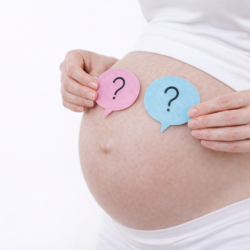
The symptoms of pregnancy mark the beginning of a brand-new phase in a woman’s life. During this period, the body undergoes significant changes, and these changes manifest as various symptoms of pregnancy. Recognizing these signs early can help you understand your body’s responses and prepare for the journey ahead. In this guide, we will explore the most common symptoms of pregnancy and what they mean for your health.
 1. Early Pregnancy Symptoms
1.1 Missed Period
The most well-known early sign of pregnancy is a missed menstrual cycle. For women with regular periods, this can be a strong indicator of pregnancy.
1.2 Changes in the Breasts
During the early stages of pregnancy, the effects of estrogen and progesterone hormones can lead to breast tenderness, swelling, and changes in color.
2. Effects on the Stomach and Digestive System
2.1 Nausea and Vomiting
Commonly known as “morning sickness,” this symptom frequently occurs during the first few weeks of pregnancy. However, the severity may vary from person to person.
2.2 Increased Dry Mouth and Taste Changes
Pregnancy can cause changes in taste perception and increased dryness in the mouth.
3. Fatigue and Sleep Patterns
3.1 Chronic Fatigue
In early pregnancy, rising hormone levels can cause low energy and persistent fatigue.
3.2 Changes in Sleep Patterns
Due to hormonal fluctuations, sleep patterns may change. Some women experience daytime drowsiness, while others struggle with insomnia at night.
4. Emotional and Psychological Changes
4.1 Mood Swings
The increase in pregnancy hormones can lead to emotional fluctuations. Sudden joy or sadness is common during this period.
4.2 Anxiety and Stress
The uncertainty of starting a new life can cause increased anxiety and stress for some women. Seeking support is essential in managing these feelings.
5. Physical Changes
5.1 Mild Cramps and Abdominal Pain
As the uterus expands, mild cramps and abdominal pain can occur. These symptoms are usually considered normal.
5.2 Increased Urination
Changes in the body’s fluid balance during pregnancy can result in more frequent urination, especially in later stages.
6. Nutrition and Weight Changes During Pregnancy
6.1 Increased Appetite or Loss of Appetite
Hormonal changes during pregnancy can either increase or decrease appetite. Maintaining a balanced diet is crucial.
6.2 Weight Gain and Distribution
Weight gain is a natural part of pregnancy. Monitoring how this weight is distributed is essential for ensuring a healthy pregnancy.
Conclusion: What to Consider During Pregnancy?
Pregnancy symptoms can vary from person to person. The signs mentioned above are among the most commonly experienced. However, if any symptom causes concern regarding the healthy progression of pregnancy, consulting a healthcare professional is the best course of action. Regular doctor visits and a balanced lifestyle are key to a healthy and informed pregnancy process.