What Are Intrauterine Adhesions?
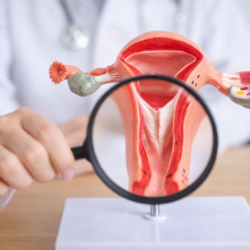
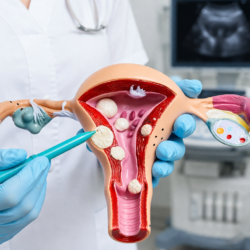
Intrauterine adhesions, also known as Asherman’s syndrome, are bands of scar tissue that form inside the uterine cavity and may cause the uterine walls to partially or completely stick together. They may be associated with reduced or absent menstruation, infertility, recurrent miscarriage, or difficulty with embryo implantation, particularly after procedures or conditions that damage the uterine lining. When treatment is indicated, hysteroscopic adhesiolysis may be performed to separate the adhesions and restore the uterine cavity, with follow-up focused on healing and reducing the risk of recurrence.
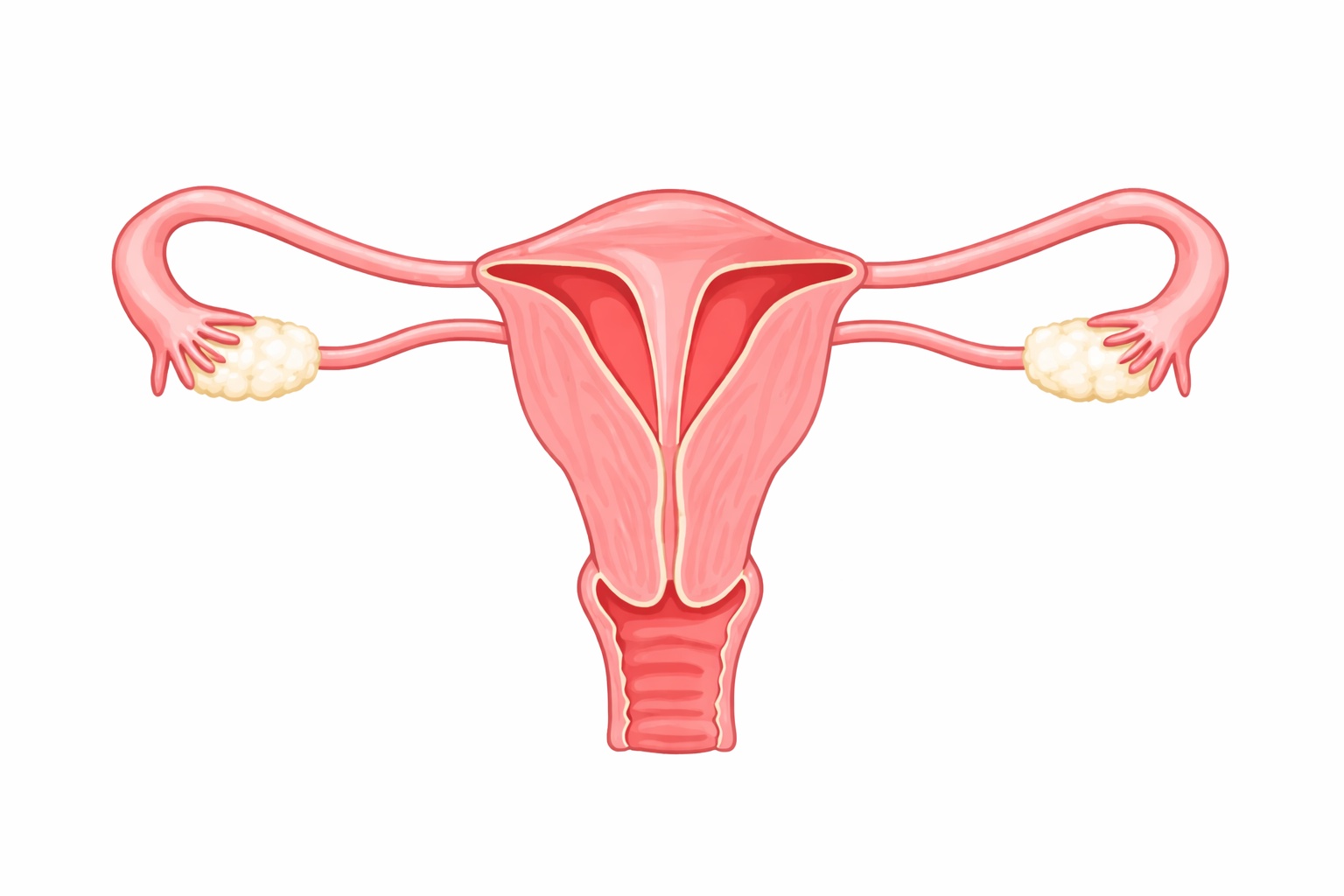
Intrauterine adhesions are a significant health problem that occurs when the walls inside the uterine cavity stick together, disrupting the normal structure of the uterus. Medically also known as Asherman’s syndrome, this condition usually develops after procedures such as curettage, postpartum interventions, intrauterine infections, or certain surgical operations. While intrauterine adhesions may be mild in some cases, in others they can become extensive enough to significantly narrow the uterine cavity.
The most common symptoms of this condition include a noticeable decrease in menstrual flow, absence of menstruation, pain during menstrual periods, infertility, and recurrent pregnancy loss. In some women, adhesions may go unnoticed for a long time and are only detected during evaluations when pregnancy cannot be achieved. Since an unhealthy uterine lining can prevent embryo implantation, this condition must be carefully considered during infertility assessments.
The most effective treatment for intrauterine adhesions is hysteroscopic surgery. During this procedure, a thin camera is inserted into the uterus, allowing direct visualization of the location, extent, and severity of the adhesions. The adhesions are then carefully separated using specialized instruments, and the uterine cavity is restored to its normal anatomical structure. Preserving healthy uterine tissue during this procedure is extremely important, as treatment success depends not only on removing the adhesions but also on the ability of the uterine lining to heal properly.
After treatment, some patients may receive hormonal therapy to support the regeneration of the uterine lining. In certain cases, additional measures may be taken to prevent the recurrence of adhesions. Regular follow-ups and medical check-ups are essential to maintain treatment success. Particularly in patients planning pregnancy, the pregnancy process is planned only after confirming that the uterine environment has returned to a suitable condition.
Following the treatment of intrauterine adhesions, many patients may experience improvement in menstrual regularity, normalization of menstrual flow, and an increased chance of pregnancy. However, treatment success may vary depending on the severity of the adhesions, the patient’s age, the underlying cause, and the condition of the uterine lining. Therefore, individualized evaluation and an experienced approach are of great importance.
At Cyprus American IVF Center, the diagnosis and treatment of intrauterine adhesions are performed using advanced hysteroscopic techniques by a team of expert physicians. The most appropriate treatment plan is determined by considering the patient’s current symptoms, medical history, previous procedures, pregnancy history, and fertility goals. Especially in patients experiencing infertility and recurrent pregnancy loss, correcting intrauterine abnormalities is a crucial step in improving pregnancy success.
If you are experiencing issues such as menstrual irregularities, reduced menstrual flow, suspected intrauterine adhesions, or difficulty conceiving, you can undergo a detailed evaluation at Cyprus American IVF Center. For more information and to learn about personalized treatment options, please contact us.
Frequently Asked Questions About Intrauterine Adhesions
What are intrauterine adhesions?
Intrauterine adhesions are bands of scar tissue that form inside the uterine cavity and cause the uterine walls to stick together. This condition is also known as Asherman’s syndrome.
What causes intrauterine adhesions?
Intrauterine adhesions may develop after curettage, postpartum procedures, intrauterine infections, uterine surgery, or other interventions that damage the uterine lining.
What are the symptoms of intrauterine adhesions?
Symptoms may include reduced menstrual flow, absence of menstruation, painful periods, infertility, recurrent pregnancy loss, or difficulty achieving pregnancy.
Can intrauterine adhesions cause infertility?
Yes. Intrauterine adhesions can interfere with embryo implantation by disrupting the normal uterine cavity and damaging the uterine lining, which may reduce the chance of pregnancy.
Can intrauterine adhesions cause miscarriage?
Yes. Adhesions may increase the risk of recurrent miscarriage by preventing the embryo from implanting in a healthy uterine lining or by limiting proper pregnancy development.
What is Asherman’s syndrome?
Asherman’s syndrome is another name for intrauterine adhesions. It refers to scar tissue inside the uterus that partially or completely narrows the uterine cavity.
How are intrauterine adhesions diagnosed?
Intrauterine adhesions may be diagnosed with hysteroscopy, ultrasound, hysterosalpingography, or other imaging methods. Hysteroscopy allows direct visualization of the uterine cavity.
What is the best treatment for intrauterine adhesions?
The most effective treatment is hysteroscopic surgery. During this procedure, adhesions are directly visualized and carefully separated to restore the normal shape of the uterine cavity.
How is hysteroscopic adhesiolysis performed?
A thin camera is inserted into the uterus through the vaginal route. The physician identifies the location and severity of the adhesions and separates them using specialized instruments while preserving healthy uterine tissue.
Is treatment for intrauterine adhesions painful?
The procedure is usually performed under anesthesia or sedation, so the patient does not feel pain during treatment. Mild cramping or light bleeding may occur afterward.
How long is recovery after intrauterine adhesion treatment?
Recovery is usually short because hysteroscopic surgery is minimally invasive and does not require abdominal incisions. Most patients can return home the same day or after a short observation period.
Can adhesions come back after treatment?
Yes. Intrauterine adhesions may recur, especially in severe cases. Follow-up examinations and preventive measures may be recommended to reduce the risk of recurrence.
Is hormone therapy needed after adhesion treatment?
In some cases, hormone therapy may be prescribed to support regeneration of the uterine lining after surgery. The treatment plan depends on the severity of the adhesions and the physician’s evaluation.
When can pregnancy be planned after adhesion treatment?
Pregnancy can be planned after the uterine cavity and lining have healed sufficiently. The physician may recommend follow-up evaluation before natural conception or IVF treatment.
Can intrauterine adhesion treatment improve IVF success?
Yes. Restoring the uterine cavity and improving the uterine lining may increase the chance of embryo implantation and IVF success, especially in patients with previous failed transfers.
Can menstruation improve after treatment?
Yes. Many patients experience improved menstrual flow and more regular cycles after successful treatment, especially if adhesions were causing reduced or absent menstruation.
Does hysteroscopic surgery guarantee pregnancy?
No. Hysteroscopic treatment does not guarantee pregnancy. Success depends on adhesion severity, uterine lining recovery, age, egg quality, sperm quality, embryo quality, and other fertility factors.
Why is experienced treatment important for intrauterine adhesions?
Experienced treatment is important because adhesions must be separated carefully without damaging healthy uterine tissue. Proper technique improves healing and helps protect fertility potential.
What should patients consider before intrauterine adhesion treatment?
Patients should understand the cause and severity of adhesions, the hysteroscopic treatment process, recurrence risk, follow-up requirements, possible hormone support, and the role of uterine health in pregnancy success.
Why choose Cyprus American IVF Center for intrauterine adhesion treatment?
Cyprus American IVF Center evaluates each patient individually and treats intrauterine adhesions with advanced hysteroscopic techniques. The goal is to restore uterine health, improve fertility potential, and support pregnancy success.