What Is a Uterine Septum? Symptoms and Treatment
A uterine septum (septate uterus) is a congenital uterine anomaly in which a partition of tissue partially or significantly divides the uterine cavity. It may be associated with recurrent miscarriage, infertility, preterm birth, or unsuccessful IVF attempts, although some women may have no symptoms. When treatment is medically indicated, the septum can be corrected using hysteroscopic surgery, a minimally invasive procedure performed through the vaginal route to restore the shape of the uterine cavity.
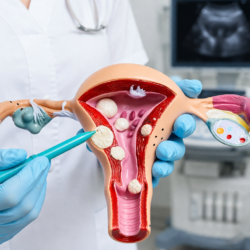
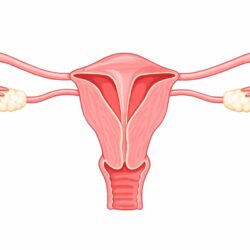
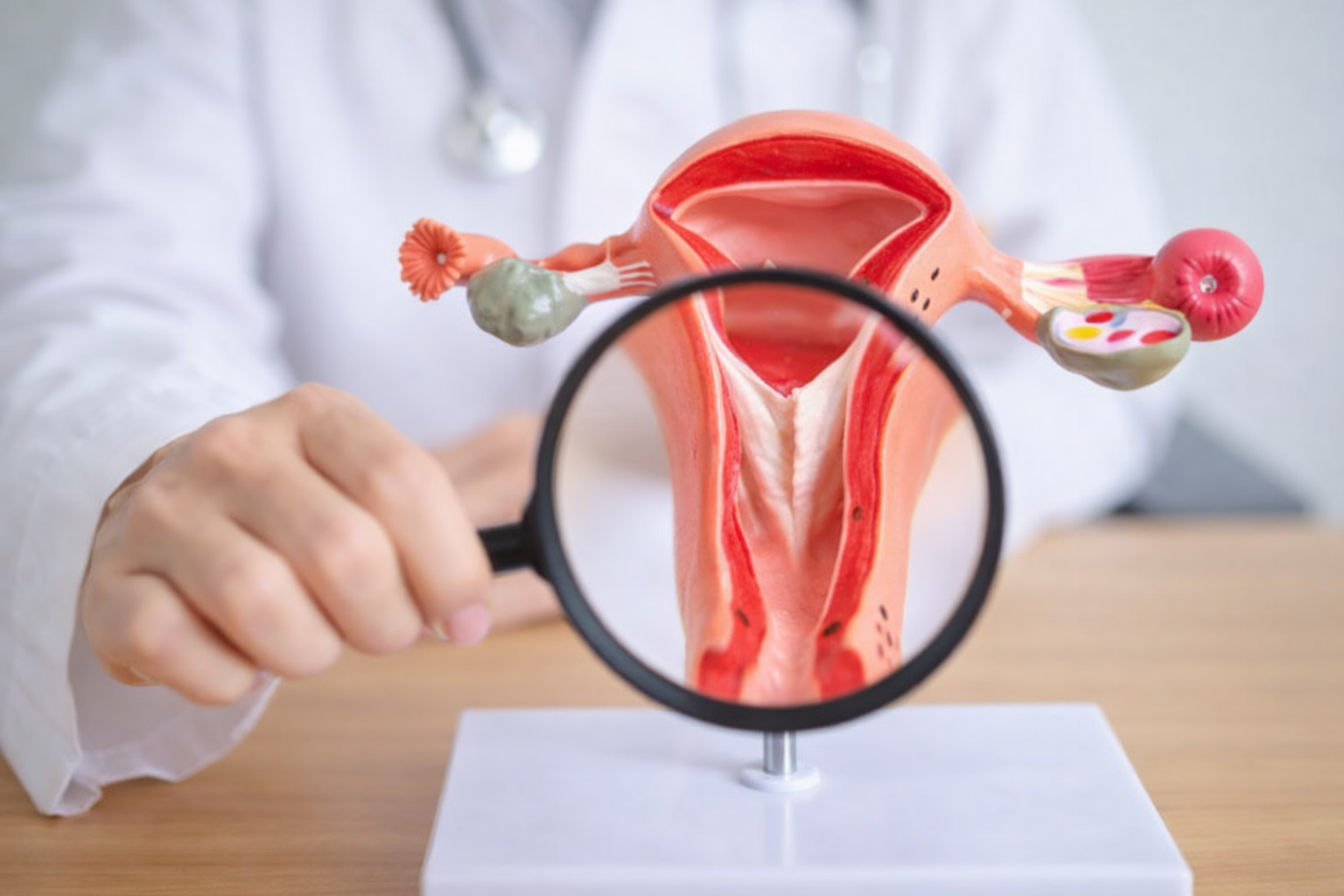
A uterine septum, medically known as a septate uterus, is one of the congenital uterine anomalies. It occurs when the structures that form the uterus fail to fully fuse during fetal development, resulting in a partition within the uterine cavity. This septum can sometimes be thin and small, or in some cases, it can be prominent enough to divide the uterine cavity significantly. A uterine septum may not always cause symptoms; however, in some women, it may present with infertility, recurrent miscarriage, preterm birth, or unsuccessful IVF attempts.
The negative effect of a uterine septum on pregnancy is mainly due to its interference with proper embryo implantation. The blood supply of the septum tissue may be weaker than that of normal uterine tissue. Therefore, if the embryo implants on the septum, the chances of a healthy pregnancy progression may decrease. Especially in women experiencing recurrent pregnancy loss, a uterine septum is an important condition that must be evaluated.
The most effective treatment for a uterine septum is hysteroscopic surgery. This procedure is performed without any abdominal incisions by entering the uterus through the vaginal route using a thin camera system. With the help of a device called a hysteroscope, the inside of the uterus is directly visualized, and the septum is carefully cut to restore the normal shape of the uterine cavity. Since this method is minimally invasive, it is more comfortable and offers a much faster recovery process.
The operation is usually short, and most patients are discharged on the same day. After the procedure, mild pain, cramping, or slight vaginal bleeding may occur. These are generally considered normal and resolve within a short time. The healing of the uterine lining is monitored, and in some cases, additional treatments may be applied to support proper recovery. Short-term hormonal support may also be prescribed based on the physician’s recommendation.
After uterine septum surgery, a significant increase in pregnancy rates can be observed, especially in patients who have previously experienced miscarriage or difficulty conceiving. Restoring the normal shape of the uterine cavity allows the embryo to implant in a healthier environment. Therefore, this procedure is highly important for both patients planning natural conception and those preparing for IVF treatment.
At Cyprus American IVF Center, uterine septum surgery is performed using advanced hysteroscopic techniques by experienced specialists. The entire process, from diagnosis to treatment and post-procedure follow-up, is planned according to the individual needs of each patient. Especially in patients experiencing infertility and recurrent pregnancy loss, proper evaluation and treatment of intrauterine anatomical problems play a crucial role in improving pregnancy success.
If you have been diagnosed with a uterine septum or are seeking a detailed evaluation due to recurrent miscarriages, difficulty conceiving, or unsuccessful IVF attempts, you can receive expert support at Cyprus American IVF Center. For more information and to schedule an appointment, please contact us.
Frequently Asked Questions About Intrauterine Septum Treatment
What is a uterine septum?
A uterine septum, also called a septate uterus, is a congenital uterine anomaly in which a partition of tissue forms inside the uterine cavity. This tissue may partially or significantly divide the uterus.
What causes a uterine septum?
A uterine septum develops before birth during fetal development. It occurs when the structures that form the uterus do not fully fuse or remodel properly.
What are the symptoms of a uterine septum?
A uterine septum may not cause symptoms in every woman. In some cases, it may be associated with infertility, recurrent miscarriage, preterm birth, unsuccessful IVF attempts, or pregnancy complications.
Can a uterine septum cause infertility?
Yes. A uterine septum may affect fertility by interfering with embryo implantation. If an embryo implants on the septum, the blood supply may be weaker, which can reduce the chance of a healthy pregnancy.
Can a uterine septum cause miscarriage?
Yes. A uterine septum is associated with recurrent miscarriage because the septum tissue may not provide an ideal environment for embryo implantation and pregnancy development.
How is a uterine septum diagnosed?
A uterine septum may be diagnosed using imaging methods such as ultrasound, hysterosalpingography, or hysteroscopy. The most suitable diagnostic method is chosen according to the patient’s medical history and clinical findings.
What is the best treatment for a uterine septum?
The most effective treatment for a uterine septum is hysteroscopic surgery. This minimally invasive procedure allows the septum to be removed through the vaginal route without abdominal incisions.
How is hysteroscopic septum surgery performed?
During hysteroscopic septum surgery, a thin camera system called a hysteroscope is inserted into the uterus through the vagina. The inside of the uterus is visualized, and the septum is carefully cut to restore the normal shape of the uterine cavity.
Is uterine septum surgery painful?
The procedure is usually performed under anesthesia or sedation, so the patient does not feel pain during surgery. Mild cramping, discomfort, or light bleeding may occur afterward.
How long does uterine septum surgery take?
Hysteroscopic septum surgery is usually a short procedure. Most patients can be discharged on the same day after medical observation.
What is the recovery process after uterine septum surgery?
Recovery is usually fast because the procedure does not require abdominal incisions. Mild pain, cramping, or slight vaginal bleeding may occur for a short time after surgery.
Is hormonal support needed after septum surgery?
In some cases, short-term hormonal support may be prescribed to help the uterine lining heal properly. The need for medication depends on the physician’s evaluation.
When can pregnancy be planned after uterine septum surgery?
Pregnancy planning depends on how well the uterine lining heals after surgery. The physician may recommend waiting until the uterus has recovered and follow-up evaluation confirms that pregnancy can be safely attempted.
Can uterine septum surgery improve IVF success?
Yes. Correcting the uterine cavity may improve embryo implantation and IVF success, especially in women with previous failed IVF attempts or recurrent pregnancy loss.
Can natural pregnancy occur after septum surgery?
Yes. Many women may achieve natural pregnancy after successful correction of a uterine septum, depending on age, ovarian reserve, sperm quality, and other fertility factors.
Does uterine septum surgery guarantee pregnancy?
No. Surgery does not guarantee pregnancy. It improves the uterine environment, but pregnancy success also depends on embryo quality, reproductive health, age, sperm quality, and other medical factors.
Is hysteroscopic surgery safe?
Hysteroscopic septum surgery is considered a safe and minimally invasive procedure when performed by experienced specialists. As with all procedures, possible risks and benefits should be discussed with the doctor.
Why is treating a uterine septum important before IVF?
Treating a uterine septum before IVF may help create a healthier uterine cavity for embryo implantation. This can be especially important for patients with recurrent miscarriage or previous unsuccessful embryo transfers.
What should patients consider before uterine septum treatment?
Patients should undergo a detailed fertility and uterine evaluation, understand the surgical process, recovery period, possible need for follow-up treatment, and the effect of uterine health on pregnancy success.