What Are Intrauterine Fibroids? Symptoms, Treatment, and Effects on Pregnancy
Intrauterine fibroids are benign uterine growths that extend into or distort the uterine cavity and may cause heavy menstrual bleeding, pelvic pain, infertility, recurrent miscarriage, or difficulty with embryo implantation. Not every fibroid requires treatment, but when symptoms or fertility problems are present, hysteroscopic myomectomy may be considered. This minimally invasive procedure removes fibroids through the vaginal route without abdominal incisions, with treatment planning based on the fibroid’s size, location, symptoms, and the patient’s fertility goals.
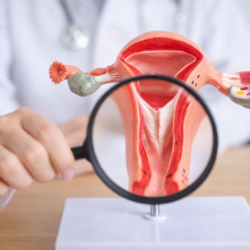
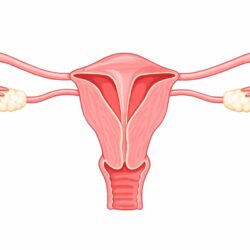
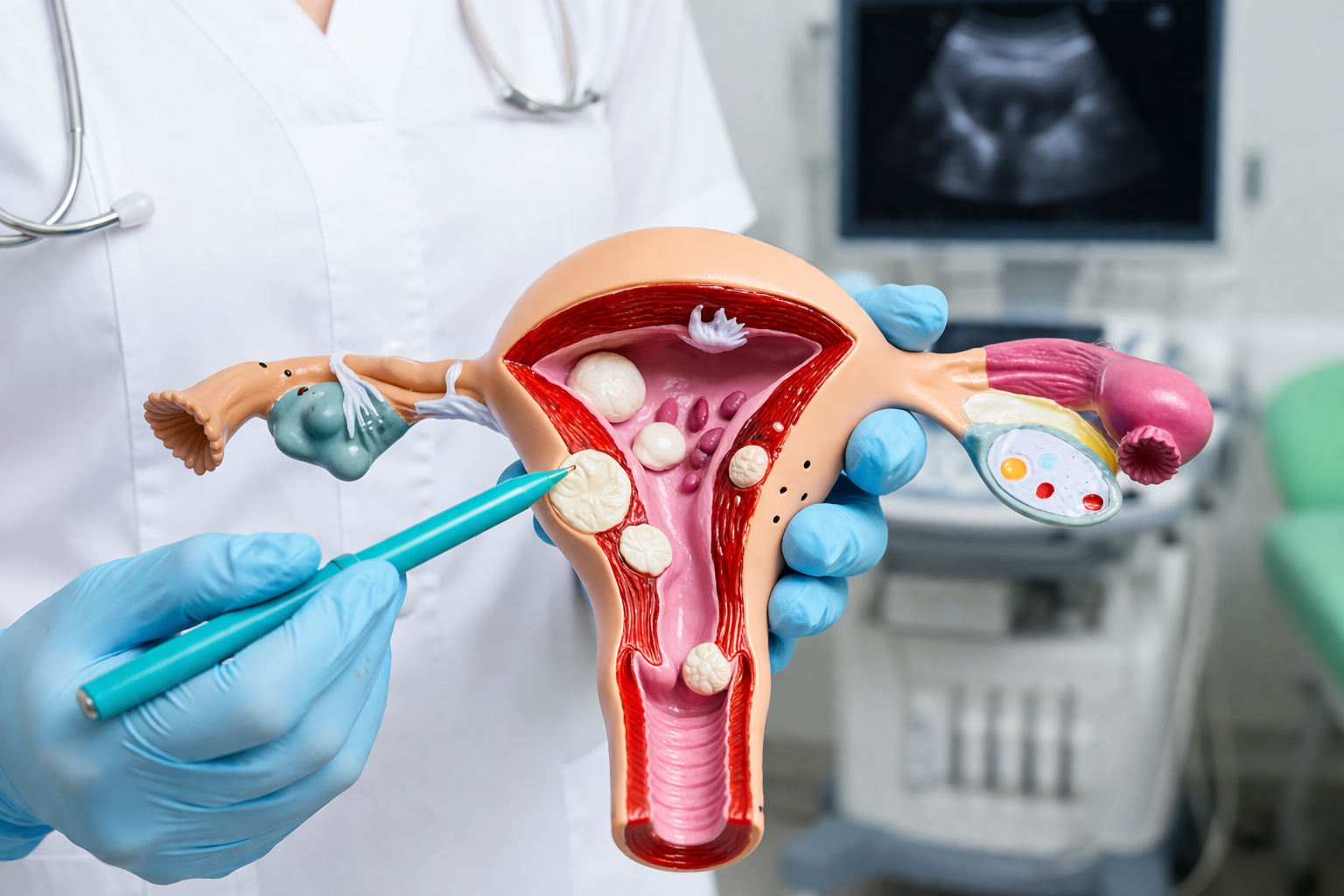
Fibroids are benign growths that originate from the muscular tissue of the uterus and are quite common in women. Not all fibroids require treatment; however, depending on their location, size, and number, some fibroids can cause significant symptoms. Fibroids that grow into the uterine cavity, in particular, may be associated with menstrual irregularities, prolonged and heavy bleeding, pelvic pain, a feeling of pressure, infertility, and recurrent pregnancy loss. Therefore, proper evaluation of intrauterine fibroids is extremely important.
Fibroids that extend into the uterine cavity can make it difficult for the embryo to implant in the uterus. They can also disrupt the normal structure of the uterine lining, preventing pregnancy or negatively affecting the healthy progression of an existing pregnancy. Especially in women planning to have children, the presence of these fibroids can reduce the chances of pregnancy. For this reason, intrauterine fibroids are carefully evaluated during infertility assessments.
One of the most commonly used methods in the treatment of intrauterine fibroids is hysteroscopic myomectomy. In this procedure, no abdominal incision is made. The uterus is accessed through the vaginal route, and the fibroid is removed in a controlled manner using specialized surgical instruments. As it is a minimally invasive method, postoperative pain is less and the recovery time is shorter. Patients are often discharged on the same day or within a short period.
Before surgery, the location, size, and effect of the fibroid within the uterus are evaluated in detail. For this purpose, ultrasonography and, in some cases, hysteroscopy or additional imaging methods may be used. Proper surgical planning is of great importance for the success of the procedure and the preservation of uterine tissue. Especially when fertility preservation is the goal, the surgical approach must be performed with great care by an experienced team.
After hysteroscopic removal of intrauterine fibroids, patients often experience improvement in menstrual bleeding, a reduction in pain, and an overall increase in quality of life. In women planning pregnancy, the improvement of the uterine environment can increase the success rates of natural conception or IVF treatments. After the procedure, it is important to maintain regular medical follow-ups and monitor the healing process of the uterine lining.
At Cyprus American IVF Center, the removal of intrauterine fibroids is performed using modern hysteroscopic techniques by experienced specialists in women’s health and infertility. Each patient is evaluated individually, and the treatment plan is created by considering factors such as age, pregnancy expectations, the characteristics of the fibroid, and overall health status. The goal is not only to remove the fibroid but also to protect the patient’s health, comfort, and fertility potential.
If you have been diagnosed with intrauterine fibroids or are experiencing heavy bleeding, pain, or fertility issues, suitable treatment options can be thoroughly evaluated at Cyprus American IVF Center. For more information and to schedule an appointment, please contact us.
Frequently Asked Questions About Intrauterine Fibroid Removal
What are intrauterine fibroids?
Intrauterine fibroids are benign growths that develop from the muscular tissue of the uterus and extend into or affect the uterine cavity. Their impact depends on their size, number, and location.
Are intrauterine fibroids dangerous?
Fibroids are usually benign and not cancerous. However, fibroids that grow into the uterine cavity may cause heavy bleeding, pelvic pain, infertility, recurrent miscarriage, or pregnancy-related problems.
What symptoms can intrauterine fibroids cause?
Intrauterine fibroids may cause heavy or prolonged menstrual bleeding, irregular periods, pelvic pain, pressure sensation, infertility, recurrent pregnancy loss, or difficulty achieving pregnancy.
Can fibroids affect fertility?
Yes. Fibroids that distort the uterine cavity can interfere with embryo implantation and disrupt the uterine lining, which may reduce the chance of natural pregnancy or IVF success.
Can intrauterine fibroids cause miscarriage?
Yes. Fibroids inside the uterine cavity may increase the risk of miscarriage by affecting implantation or preventing the pregnancy from developing in a healthy uterine environment.
Do all fibroids need to be removed?
No. Not all fibroids require treatment. Treatment is usually considered when fibroids cause symptoms, affect the uterine cavity, reduce fertility, or create risks for pregnancy.
How are intrauterine fibroids diagnosed?
Intrauterine fibroids may be diagnosed with ultrasound, hysteroscopy, or additional imaging methods when needed. These tests help evaluate the size, location, and effect of the fibroid on the uterine cavity.
What is hysteroscopic myomectomy?
Hysteroscopic myomectomy is a minimally invasive procedure used to remove fibroids from inside the uterine cavity. It is performed through the vaginal route without abdominal incisions.
How is intrauterine fibroid removal performed?
During hysteroscopic fibroid removal, the uterus is entered through the vagina using a thin camera system and specialized surgical instruments. The fibroid is removed in a controlled way while preserving healthy uterine tissue.
Is hysteroscopic fibroid removal painful?
The procedure is usually performed under anesthesia or sedation, so the patient does not feel pain during surgery. Mild cramping, discomfort, or light bleeding may occur afterward.
How long does recovery take after fibroid removal?
Recovery is usually short because hysteroscopic myomectomy does not require abdominal incisions. Many patients can return home the same day or after a brief observation period.
What happens after intrauterine fibroid removal?
After the procedure, menstrual bleeding may improve, pelvic pain may decrease, and the uterine cavity may become more suitable for embryo implantation or pregnancy. Regular follow-up is important to monitor healing.
Can fibroid removal improve IVF success?
Yes. Removing fibroids that distort the uterine cavity may improve embryo implantation and increase the chance of IVF success, especially in women with previous failed embryo transfers or infertility.
Can natural pregnancy occur after fibroid removal?
Yes. Natural pregnancy may be possible after intrauterine fibroid removal, depending on the woman’s age, ovarian reserve, sperm quality, uterine healing, and other fertility factors.
When can pregnancy be planned after fibroid removal?
Pregnancy planning depends on the healing of the uterine lining and the physician’s follow-up evaluation. The doctor will advise when it is safe to try for pregnancy or proceed with IVF.
Can fibroids come back after removal?
Yes. New fibroids may develop over time, especially in women who are prone to fibroid formation. Regular gynecological follow-up helps monitor uterine health.
Is hysteroscopic myomectomy safe?
Hysteroscopic myomectomy is considered a safe and minimally invasive procedure when performed by experienced specialists. As with any procedure, possible risks and benefits should be discussed with the doctor.
Why is fibroid location important?
The location of the fibroid is important because fibroids inside or near the uterine cavity are more likely to affect bleeding, implantation, fertility, and pregnancy outcomes than fibroids located outside the cavity.
What should patients consider before intrauterine fibroid removal?
Patients should have a detailed evaluation of fibroid size, location, symptoms, fertility goals, uterine health, and overall medical condition before planning treatment.
Why choose Cyprus American IVF Center for intrauterine fibroid treatment?
Cyprus American IVF Center performs intrauterine fibroid removal using modern hysteroscopic techniques with experienced specialists. Treatment is planned individually to support patient comfort, uterine health, and fertility potential.