Can Couples with Thalassaemia Have Children ?
Understanding Thalassaemia And Its Genetic Inheritance
Thalassaemia is a genetic blood disorder that affects the production of hemoglobin, resulting in anemia. This condition is inherited from parents who carry the faulty gene. There are various types of Thalassaemia, such as alpha thalassaemia and beta thalassaemia, each with differing levels of severity and symptoms.
Individuals with thalassaemia have a mutation in one or more of the genes responsible for making hemoglobin. The genetic inheritance pattern for thalassaemia can be complex, as it depends on the specific mutation present in the individual’s genes. Carriers of thalassaemia may not show any symptoms, but can pass the faulty gene on to their children.
People with thalassaemia major inherit two mutated genes, one from each parent, resulting in severe symptoms that require regular blood transfusions and ongoing medical care. On the other hand, individuals with thalassaemia minor inherit only one mutated gene, typically exhibiting milder symptoms or no symptoms at all. It is important for individuals to understand their genetic inheritance pattern and the potential risk of passing the disorder on to their children.
If both parents are carriers of thalassaemia, there is a 25% chance with each pregnancy that the child will inherit thalassaemia major, a 50% chance of being a carrier like the parents, and a 25% chance of being neither a carrier nor affected by thalassaemia. Seeking genetic counseling and understanding the inheritance pattern of thalassaemia is crucial for couples considering starting a family.
Potential Risks For Couples With Thalassaemia
Thalassaemia is a genetic blood disorder that can have significant implications for couples considering starting a family. The potential risks for couples with thalassaemia can be daunting, but it’s important to understand the options and support available to make informed decisions.
One of the primary risks for couples with thalassaemia is the chance of passing the condition on to their children. Thalassaemia is an inherited disorder, meaning that both parents must be carriers of the gene in order for a child to be affected. This can create a complex situation for couples who are carriers, as they must carefully consider the likelihood of passing the gene on to their offspring.
Another risk for couples with thalassaemia is the potential emotional and financial burden of managing the condition. Thalassaemia can require ongoing medical care and treatment, which can place strain on individuals and families. In addition to the practical challenges, there may also be emotional considerations for couples as they navigate the implications of thalassaemia for their future family.
Despite these risks, it’s important for couples with thalassaemia to know that there are options and support available to them. From genetic counselling to advanced reproductive technologies, there are ways for couples to understand their risk factors and make informed decisions about family planning. By seeking out resources and support, couples can navigate the potential risks of thalassaemia with confidence and clarity.
Options For Couples With Thalassaemia
When a couple discovers that they both carry the gene for thalassaemia, they are faced with some difficult decisions. However, there are options available that can help them navigate this challenging situation.
One option for couples with thalassaemia is to undergo pre-implantation genetic diagnosis (PGD). This involves the process of in vitro fertilization, where embryos are created in a laboratory. The embryos are then screened for the thalassaemia gene, and only those without the gene are implanted in the woman’s uterus. This can greatly reduce the risk of passing thalassaemia on to their children.
It’s important for couples with thalassaemia to fully understand all of their options and to seek the guidance of medical professionals and genetic counselors. Each couple’s situation is unique, and the best option for one couple may not be the best for another. By considering all of their options, couples can make informed decisions that are right for them.
Pre-Implantation Genetic Diagnosis (Pgd) As A Solution
Pre-implantation genetic diagnosis (PGD) is a procedure used prior to implantation during the process of in vitro fertilization (IVF). This is done to identify genetic defects within embryos, allowing couples who are carriers of genetic diseases, such as thalassaemia, to avoid passing the condition on to their children. PGD offers a valuable solution for couples who are at risk of having a child with thalassaemia, as it helps to ensure that only healthy embryos are transferred to the uterus for implantation.
PGD involves the screening of embryos for genetic diseases, such as thalassaemia, before they are implanted into the uterus. This process helps to determine which embryos are free from genetic disorders and therefore suitable for implantation. By providing couples with an option to select healthy embryos, PGD offers a way to prevent the transmission of thalassaemia to the next generation, giving hope to those who wish to have children free from the condition.
For couples who are carriers of thalassaemia and are seeking to start a family, PGD provides a sense of control over their reproductive choices. By identifying and selecting healthy embryos, PGD minimizes the risk of passing on thalassaemia to their children, providing a solution that offers hope and assurance for a healthy future for the next generation.
In Vitro Fertilization (Ivf) And Thalassaemia
Thalassaemia is a genetic blood disorder that affects the body’s ability to produce hemoglobin, leading to anemia and other health complications. The condition is inherited, meaning it is passed down from parents to their children. Individuals with thalassaemia have abnormal hemoglobin genes, which can be passed on to their offspring. Understanding the genetic inheritance of thalassaemia is crucial for couples who are considering starting a family.
For couples with thalassaemia, there are potential risks that need to be considered when planning for parenthood. The possibility of passing the condition on to their children is a source of concern and can impact their decision to have a family. It is important for these couples to explore their options and consider the available solutions to minimize the risk of passing thalassaemia to their offspring.
One option for couples with thalassaemia is pre-implantation genetic diagnosis (PGD), a procedure that allows embryos to be tested for the presence of the thalassaemia gene before being implanted in the uterus. This can help reduce the risk of passing the condition on to the next generation and increase the chances of having a healthy child.
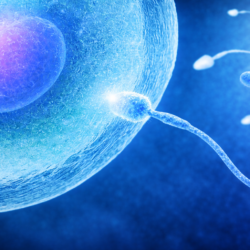
In vitro fertilization (IVF) is another option for couples with thalassaemia. During the IVF process, eggs and sperm are combined in a laboratory, and the resulting embryos can be screened for thalassaemia before being implanted in the uterus. This technology provides a way for couples with thalassaemia to have children without passing on the condition.