Does Menstrual Irregularity Prevent Getting Pregnant ?
Understanding Menstrual Irregularity
Menstrual irregularities can be a common issue for many women, but understanding the causes and implications of irregular periods is crucial for overall reproductive health. Irregular periods refer to any changes in the regularity, frequency, or duration of a woman’s menstrual cycle. This can include periods that come too frequently, too infrequently, or with unpredictable timing. It can also refer to abnormal bleeding patterns, such as heavy or prolonged periods. One possible cause of menstrual irregularity is hormonal imbalance.
Fluctuations in hormone levels, especially estrogen and progesterone, can disrupt the normal menstrual cycle and lead to irregular periods. This imbalance can be due to factors such as stress, excessive exercise, drastic weight changes, or certain medical conditions.
Another important factor to consider is the impact of irregular periods on fertility. Irregular cycles can make it more challenging to predict ovulation, which can affect the ability to conceive. Understanding the connection between irregular periods and fertility is crucial for women who are trying to get pregnant, as it can help them seek appropriate treatment and options for improving their reproductive health.
Impact Of Irregular Periods On Fertility
Irregular periods can have a significant impact on a woman’s fertility. The menstrual cycle is a key indicator of a woman’s reproductive health, and irregular periods can signal underlying issues that may affect her ability to conceive. While occasional irregular periods may not necessarily affect fertility, persistent irregularities in the menstrual cycle can point to potential difficulties in getting pregnant.
One of the primary reasons irregular periods can impact fertility is the challenge of predicting ovulation. Ovulation is essential for conception, and irregular periods can make it difficult to pinpoint the most fertile days in a woman’s cycle. Without a regular menstrual cycle, it becomes harder for a woman to track ovulation, increasing the uncertainty of timing intercourse for conception.
Furthermore, irregular periods can be a symptom of underlying health conditions that may affect fertility. Conditions such as polycystic ovary syndrome (PCOS) and thyroid disorders are known to cause irregular periods and can also lead to difficulties in getting pregnant. It’s crucial for women with irregular periods to consult with a healthcare provider to address any potential underlying issues that may be impacting their fertility.
Possible Causes Of Menstrual Irregularity
There are several possible causes of menstrual irregularity that can affect women of all ages. For many women, the menstrual cycle is a reliable and predictable occurrence, but for others, irregular periods can be a source of frustration and concern. Understanding the potential causes of menstrual irregularity can help women take control of their reproductive health and seek appropriate medical intervention if necessary.
One common cause of menstrual irregularity is hormonal imbalances. Fluctuations in hormone levels, particularly estrogen and progesterone, can disrupt the normal menstrual cycle, leading to irregular periods. These imbalances can be caused by a variety of factors, including stress, excessive exercise, and certain medical conditions such as polycystic ovary syndrome (PCOS) or thyroid disorders.
Another possible cause of menstrual irregularity is structural abnormalities in the reproductive organs. Conditions such as uterine fibroids, polyps, or endometriosis can interfere with the normal shedding of the uterine lining, resulting in irregular or heavy periods. In some cases, these structural issues may also lead to painful menstruation and fertility problems.
Effect Of Irregular Cycles On Ovulation
Irregular menstrual cycles can have a significant effect on ovulation. Ovulation is the process in which the ovaries release an egg each month, making it available for fertilization. When a woman has irregular periods, it can make it more challenging to predict ovulation, which can impact fertility.
One effect of irregular cycles on ovulation is that it can make it more difficult for women to know when they are most fertile. Typically, women with regular cycles can predict ovulation based on the timing of their periods. However, irregular cycles make it harder to track ovulation, making it more challenging for women to conceive. This can be frustrating and stressful for women who are trying to become pregnant.
Additionally, irregular cycles can indicate an underlying health issue that may be affecting ovulation. Some potential causes of irregular cycles include polycystic ovary syndrome (PCOS), thyroid disorders, or hormonal imbalances. If left untreated, these conditions can impact ovulation and fertility, making it essential for women to seek medical advice if they are experiencing irregular periods.
Fertility Options For Women With Irregular Periods
Women who experience irregular periods may face challenges when trying to conceive, but there are various fertility options available to help them achieve their dream of starting a family.
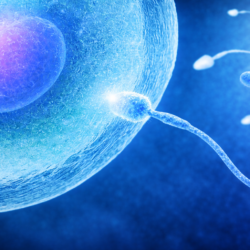
Another fertility option for women with irregular periods is in vitro fertilization (IVF). This procedure involves fertilizing an egg with sperm outside the body and then implanting the embryo into the uterus. IVF can be particularly beneficial for women with irregular cycles, as it allows them to bypass ovulation and conceive through assisted reproductive technology.