Egg Donation Process
Understanding the Stages of Egg Donation
Egg donation is a process that allows individuals or couples struggling with infertility to have a child using donated eggs from a generous donor. This assisted reproductive technology offers hope to those who may not be able to conceive with their own eggs. Let’s explore the step-by-step guide to the egg donation process.
Donor Selection and Screening
The first stage of the egg donation process involves the selection and screening of the egg donor. Both the intended parents and the donor go through a thorough matching process facilitated by a fertility clinic or agency. The selection criteria may include physical characteristics, medical history, educational background, and personal traits. The donor undergoes extensive medical and psychological evaluations, including blood tests, genetic screenings, and infectious disease screenings to ensure her suitability as an egg donor.
Synchronization of Cycles
Once a suitable donor is selected and approved, the next step is to synchronize the menstrual cycles of the donor and the recipient. This is achieved through the use of hormone medications that regulate and coordinate the timing of their reproductive cycles. This synchronization is crucial for a successful egg retrieval and subsequent embryo transfer.
Ovarian Stimulation and Monitoring
The egg donor undergoes ovarian stimulation using fertility medications to promote the development of multiple mature eggs. Regular monitoring through ultrasounds and hormone level checks is conducted to assess follicle growth and ensure the donor’s safety. Adjustments to the medication dosage may be made during this phase to optimize the egg production process.
Egg Retrieval
When the donor’s follicles have reached the desired size, the egg retrieval procedure takes place. This minor surgical procedure is performed under anesthesia and involves the insertion of a thin needle through the vaginal wall to extract the mature eggs from the follicles. The eggs are then collected and immediately transferred to the laboratory for fertilization.
Fertilization and Embryo Development
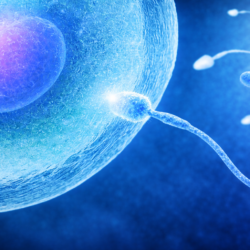
In the laboratory, the retrieved eggs are combined with sperm, either from the recipient’s partner or a sperm donor, for fertilization. The fertilization can be done through conventional IVF or through intracytoplasmic sperm injection (ICSI), where a single sperm is injected directly into each mature egg. After fertilization, the embryos are carefully monitored as they develop over the next few days.
Embryo Transfer
Once the embryos have reached the appropriate stage of development, typically after three to five days, the most viable ones are selected for transfer. The embryo transfer procedure is similar to that of traditional IVF, involving the insertion of a catheter through the cervix and into the uterus, where the embryos are placed. The number of embryos transferred depends on various factors, including the age of the recipient and the quality of the embryos.
Pregnancy Confirmation and Support
Approximately two weeks after the embryo transfer, a pregnancy test is conducted to determine if the procedure was successful. If the test indicates a positive result, the recipient enters the early stages of pregnancy. Ongoing support and monitoring are provided by the fertility clinic to ensure a healthy pregnancy.
Egg donation opens up a world of possibilities for individuals or couples struggling with infertility. The step-by-step process involves careful selection, synchronization, stimulation, retrieval, fertilization, and embryo transfer, offering hope and the potential for successful conception. It’s important to consult with a reputable fertility clinic or agency and seek professional guidance throughout the entire egg donation journey. With the support of a dedicated medical team and a generous egg donor, individuals and couples can embark on the path to parenthood and experience the joy of having a child of their own.