Hypogonadism and IVF Treatment: Enhance Your Reproductive Health
Hypogonadism is a condition that occurs when the body fails to produce adequate levels of hormones, potentially leading to serious health issues such as infertility. For individuals facing this condition, in vitro fertilization (IVF) offers a promising treatment option.
What Is Hypogonadism?
Hypogonadism is defined as the body’s inability to produce sufficient amounts of sex hormones, such as estrogen or testosterone. This condition manifests differently in males and females.
In men, low testosterone levels can cause sexual dysfunction, decreased libido, and infertility. In women, inadequate hormone production may result in irregular menstrual cycles and fertility problems.
Causes and Effects of Hypogonadism
There are various causes of hypogonadism, including genetic factors, aging, specific health conditions, or physical trauma.
Due to the lack of essential hormones, this condition can have multiple physiological and psychological effects, significantly impacting quality of life—especially for individuals desiring to have children.
 The Link Between Hypogonadism and IVF
The relationship between hypogonadism and IVF significantly influences treatment processes. Therefore, treatment plans for individuals with hypogonadism often incorporate IVF methods.
IVF is a treatment option recommended by specialists and presents a valuable opportunity for individuals to improve both their sexual and reproductive health. As a result, hypogonadism should be taken seriously and treated appropriately.
What Is IVF? Process and Stages
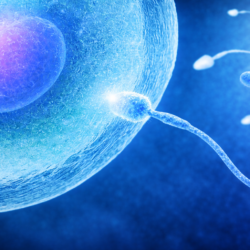
In vitro fertilization (IVF) is a process in which sperm and egg are combined in a laboratory setting to create an embryo. This technique is particularly beneficial for individuals with hormonal imbalances like hypogonadism.
Ovarian Stimulation
The IVF journey begins with stimulating the woman’s ovaries using hormonal medications. The goal is to obtain multiple mature eggs, monitored through regular ultrasounds and hormone level assessments.
Egg Retrieval and Fertilization
Once the eggs reach the appropriate maturity, they are retrieved and fertilized with sperm in a laboratory environment under optimal conditions.
Embryo Transfer
After fertilization, embryos are monitored for a few days, and the healthiest ones are selected for transfer to the uterus. This step is critical for IVF success, particularly in cases involving hypogonadism.
The Impact of Hypogonadism on IVF
Hypogonadism negatively affects the reproductive systems of both men and women due to hormonal imbalances, which can directly influence the IVF process.
To address this, preparatory treatments may be applied before IVF to restore hormonal balance. These may include ovulation induction therapies or interventions to improve sperm quality.
IVF Success Rates in Hypogonadism Cases
IVF success rates in hypogonadism cases depend on several factors, including:
The type of hypogonadism
Patient’s age
Overall health condition
Hormone levels
In men, hypogonadism may impair sperm production, reducing the chances of IVF success. However, techniques like TESE (testicular sperm extraction) can help improve fertilization rates.
Risks During the IVF Process
Individuals with hypogonadism may face additional challenges during IVF, such as:
Poor ovarian response
Side effects from hormone therapies
Low embryo quality
For this reason, IVF treatment must be personalized and closely monitored by a specialist.
Treatment Options
The most effective treatment options for hypogonadism include:
Hormone Replacement Therapy (HRT): Supplementation with testosterone or estrogen
Assisted Reproductive Technologies (IVF, ICSI, TESE)
Lifestyle modifications: Healthy diet, regular exercise, stress management
A personalized treatment plan should always be developed by a qualified medical professional according to each patient’s specific needs.