Sports during pregnancy
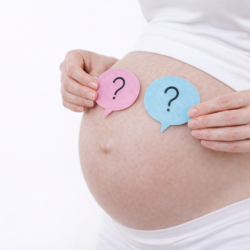
Pregnancy, is a sensitive period in which many changes are experienced within the expectant mother’s body. This change can affect both physical and mental changes. It is very important the expectant mother to adapt to these changes in order to have a healthy pregnancy.
The main reason for these changes, are caused by hormonal levels. The expectant mother would have to keep up with these changes which affect her both mentally and physically.
The physical changes are inevitable. Weight gain will become part of the process as the growing baby needs room and nutrition’s. It is normal to gain a standard amount of weight during this period however; it is equally important to keep the pounds under control. Uncontrolled weight gain can cause complications and threaten the health of both mother and the baby. Studies have shown that expectant mothers who have gained normal weight during the pregnancy face fewer health issues than those who gain excess weight. Losing weight after delivery will be easier for those candidates as well.
Reasons of excess weight complications are listed below
- Affect pregnancy in a negative manner.
- Risky for the unborn baby’s health.
- Risky for the expectant mother’s health.
- Physical outlook of the mother may change.
- Can cause mental issues for the mother.
Some light exercises and sports may be done under professional care as weight gain will be something you cannot run away from. Experts have recommended a weight gain between 9 kg- 13 kg. A few kilos over or below wouldn’t harm of course. Weight gain over 15kg is considered to be excessive. We know that every mother is different with a different metabolic rate, age and hormonal differences, therefore it is ideal to discuss these circumstances with your doctor in order to find the best solution.
If you are clear from your doctor, you may resume physical activities and do your sports with a professional trainer under supervision.
The importance of sports and activities
- It prevents posture disorders that occur with the change of the body.
- It helps to eliminate the problem of low back pain
- It is especially effective in reducing swelling caused by edema in the feet and hands.
- It increases the endurance of the body by strengthening the muscles.
- It helps oxygen flow for the baby and the mother.
- It reduces the risk of leg cramping.
- It helps the prevention of gestational diabetes.
- Reduces the risk of high blood pressure.
- It creates a positive outlook for the expectant mother.
- It could prevent postnatal depression.
So what kind of exercises can you do?
As mentioned above, before you can proceed with any type of sporting activity you should get clearance from your doctor
 Here’s the list of activities
- Slow paced walks are advisable during the first 6 months of pregnancy. In addition to this, group exercises can be done also. Stretching movements, Pilates sports such as yoga will strengthen the waist back and spine. Kegel exercises, squats, swimming, steps aerobics and breathing techniques are recommended.
- From 6 months onwards, exercises done in a sitting position will be advised as the expectant mother’s belly grows. Pilates and light paced walks can be continued for an easier delivery.
What you should be aware of when doing sports activities?
- Movements done by force should be avoided on your highly sensitive body and posture. Any change in your pulse and palpitation should be noted. If you suffer from nausea, dizziness, groin pain, chest pain or bleeding consult your doctor immediately.
- Exercise performed laying on your back should be avoided as it might have an adverse effect on the baby.
- The duration of these exercises should be planned well with several breaks to be taken during the sessions
- Once you finish your session, lay on your left for about 15 minutes.
- Thick and elasticated clothing around the waist should be avoided and replaced with comfortable clothes.
- Warm ups and cooling down movements are important. Body temperature should be monitored during your sessions. 39 degrees Celsius should be the maximum limit and your heart rate shouldn’t go beyond 140