Tandem Egg Donation
A Dual Approach to Egg Donation
For couples struggling with infertility, egg donation can be a ray of hope, offering the opportunity to start a family. One alternative approach gaining popularity is tandem egg donation. This method involves using both the eggs of the intended mother and donor eggs to increase the chances of successful conception. We will explore the concept of tandem egg donation and its potential benefits for couples seeking to become parents.
Understanding Tandem Egg Donation
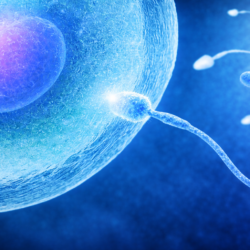
Tandem egg donation combines the eggs of the intended mother with donated eggs to create embryos. The process begins with the intended mother undergoing ovarian stimulation to produce her own eggs, similar to traditional IVF. Simultaneously, a carefully selected egg donor undergoes ovarian stimulation to retrieve eggs. Both sets of eggs are then fertilized with the partner’s sperm, either through traditional IVF or intracytoplasmic sperm injection (ICSI). The resulting embryos are subsequently transferred into the intended mother’s uterus.
Advantages of Tandem Egg Donation
Increased Success Rates:
Tandem egg donation offers higher success rates compared to traditional IVF using the intended mother’s own eggs alone. By combining the donor eggs with the mother’s eggs, the chances of obtaining healthy embryos are maximized, increasing the likelihood of successful implantation and pregnancy.
Overcoming Egg Quality and Quantity Issues:
As women age, the quality and quantity of their eggs may decline, making it more challenging to conceive. Tandem egg donation provides a solution by introducing healthy donor eggs, which are typically obtained from young and fertile donors. This allows couples to overcome the limitations associated with the mother’s egg quality or quantity.
Genetic Connection to the Child:
With tandem egg donation, the intended mother still contributes her own genetic material, ensuring a genetic connection to the child. This can be an essential factor for couples who wish to have a biological link with their child while benefiting from the advantages of donor eggs.
The Tandem Egg Donation Process
- Initial Consultation: The journey of tandem egg donation begins with an initial consultation with a fertility specialist. The couple will discuss their medical history, fertility goals, and any specific preferences they have regarding the donor.
- Donor Selection: The fertility clinic will assist the couple in selecting a suitable egg donor. The selection process involves considering factors such as physical characteristics, medical history, and genetic screening results.
- Synchronization of Cycles: Once the donor is chosen, the cycles of the intended mother and the donor need to be synchronized. This is achieved through hormonal medications that regulate the timing of ovarian stimulation for both individuals.
- Ovarian Stimulation and Egg Retrieval: The intended mother and the egg donor will undergo ovarian stimulation to promote the growth and maturation of multiple eggs. Regular monitoring through ultrasounds and hormone level checks will be conducted to assess the progress. When the eggs are deemed mature, both the intended mother and the donor will undergo separate egg retrieval procedures.
- Fertilization and Embryo Development: The retrieved eggs from the intended mother and the donor are fertilized with the partner’s sperm through traditional IVF or ICSI. The embryos are then cultured and monitored for several days to evaluate their quality and development.
- Embryo Transfer: Following the development of viable embryos, the fertility specialist will transfer one or more embryos into the uterus of the intended mother. This procedure is typically performed using a thin catheter guided by ultrasound imaging. Any remaining high-quality embryos can be frozen for future use.
- Pregnancy and Beyond: After the embryo transfer, the couple will undergo a waiting period to determine if implantation and pregnancy occur. If successful, the couple will continue to receive regular prenatal care and monitoring throughout the pregnancy.
Considerations and Challenges
While tandem egg donation offers numerous benefits, it’s important to consider some factors before pursuing this option:
Emotional Preparation:
Couples should be emotionally prepared to navigate the complexities associated with using donor eggs. Open and honest communication between partners, as well as seeking counseling or support, can be valuable in addressing any emotional challenges that may arise.
Finding an Appropriate Donor:
The process of selecting an egg donor requires careful consideration. Couples should work closely with their fertility clinic to find a suitable donor who matches their preferences and meets the necessary health and genetic screening requirements.
Tandem egg donation offers an innovative approach to infertility treatment, providing hope and possibilities for couples seeking to become parents. By combining the eggs of the intended mother with donated eggs, tandem egg donation increases the chances of successful conception and pregnancy. It allows couples to overcome issues related to egg quality and quantity while maintaining a genetic connection to their child. However, thorough consideration of emotional, legal, and ethical aspects is necessary before embarking on this journey. Consulting with fertility specialists and seeking support can guide couples through the process, making their path to parenthood a reality.