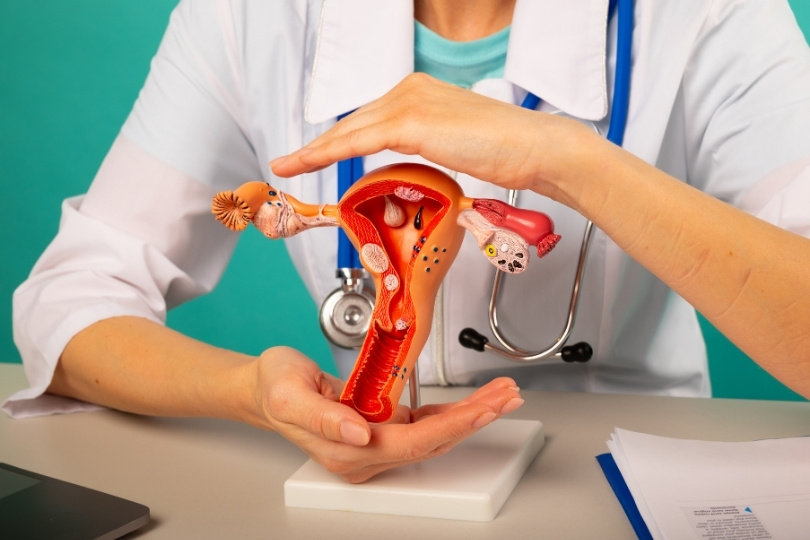
Understanding Adenomyosis: Definition And Overview
Adenomyosis is a medical condition characterized by the presence of endometrial tissue, which usually lines the uterus, growing into the muscular wall of the uterus itself. This can lead to various complications, including painful menstruation, heavy menstrual bleeding, and potentially issues with fertility. Although it can occur in women of any reproductive age, it is most commonly diagnosed in women between the ages of 30 and 50.
The exact cause of adenomyosis is not fully understood, but it is thought to be linked to several factors, including hormonal changes, uterine surgeries, or prior pregnancies. As the condition progresses, it can cause the uterus to become enlarged and tender, often resulting in discomfort during physical activity or sexual intercourse.
Individuals experiencing symptoms associated with adenomyosis should consider discussing their concerns with a healthcare provider. Early diagnosis can help manage symptoms and improve quality of life through various treatment options tailored to the individual’s specific needs.
Common Symptoms Of Adenomyosis You Should Know

Adenomyosis often manifests through a variety of symptoms, some of which may be subtle, making it crucial for individuals to recognize them. One of the most prevalent symptoms is chronic pelvic pain, which can be persistent and may worsen during menstruation. Many patients report heavy menstrual bleeding as another common symptom, leading to anemia in some cases.
Alongside these symptoms, individuals with adenomyosis may experience dysmenorrhea, or painful periods, characterized by intense cramping that can disrupt daily activities. Some women also report experiencing enlarged or tender uterus, which can be detected during a pelvic examination.
Other potential symptoms include fatigue, bloating, and discomfort during sexual intercourse, which can further affect the quality of life. It is essential for patients to discuss these symptoms with their healthcare provider to ensure an accurate diagnosis and appropriate treatment.
Understanding these common symptoms of adenomyosis can aid in early detection and management, helping to alleviate potential complications associated with the condition.
Causes And Risk Factors Associated With Adenomyosis
Adenomyosis occurs when the tissue similar to the lining inside the uterus, known as the endometrium, begins to grow into the muscular wall of the uterus. Understanding the causes and risk factors associated with this condition can help in better diagnosis and management.
The exact cause of adenomyosis is not fully understood; however, several theories have been proposed, including:
- Uterine Surgery: Procedures such as cesarean sections or other uterine surgeries may increase the likelihood of adenomyosis due to possible disruption of the uterine lining.
- Hormonal Factors: Estrogen, a hormone that regulates the female reproductive system, may play a role in the growth of endometrial tissue within the uterine wall. Fluctuations in hormone levels throughout the menstrual cycle are believed to influence the condition.
- Genetic Links: Some studies suggest that there may be a genetic predisposition to adenomyosis. Women with a family history of the condition may be at a higher risk.
- Age and Parity: Adenomyosis is more common in women aged 30 to 50, particularly those who have had multiple pregnancies. Increased parity (number of pregnancies) may also be a contributing factor.
In addition to the potential causes, several risk factors have been identified:
- History of endometriosis.
- Previous uterine surgeries or trauma.
- Heavy menstrual bleeding or prolonged periods.
- Presence of fibroids.
Recognizing and understanding these causes and risk factors can assist both patients and healthcare providers in identifying adenomyosis early and implementing effective treatment strategies.
Diagnostic Approaches For Adenomyosis: What To Expect
When suspecting adenomyosis, the diagnostic process typically begins with a thorough medical history and physical examination. Patients may describe symptoms such as heavy menstrual bleeding, pelvic pain, or discomfort during intercourse, prompting healthcare providers to consider this condition.
Imaging techniques play a crucial role in the diagnosis of adenomyosis. Transvaginal ultrasound is often the first step, allowing healthcare professionals to visualize the uterus and assess for thickening of the uterine walls. In some cases, magnetic resonance imaging (MRI) may be recommended for a more detailed assessment, particularly when the diagnosis is unclear or if other conditions need to be ruled out.
Overall, the diagnostic approaches for adenomyosis focus on a combination of symptom assessment and advanced imaging techniques, helping patients receive an accurate diagnosis and paving the way for effective treatment options.
Treatment Options For Adenomyosis: A Comprehensive Guide
Treatment options for adenomyosis can vary widely depending on the severity of symptoms and the woman’s reproductive plans. Below are some primary treatment approaches available for managing adenomyosis:
1. Pain Management
Over-the-counter pain relievers such as NSAIDs (nonsteroidal anti-inflammatory drugs) can be effective for alleviating mild to moderate pain associated with adenomyosis. For those with more severe pain, stronger prescription medications may be needed.
2. Hormonal Therapy
Hormonal therapies aim to regulate the menstrual cycle and can help reduce heavy bleeding and pain. Options may include:
- Birth Control Pills: Combined oral contraceptives can help manage symptoms effectively.
- Hormonal IUDs: Intrauterine devices releasing progestin may reduce menstrual flow and alleviate pain.
- GnRH Agonists: Medications like leuprolide can induce a temporary menopause effect, reducing symptoms significantly.
3. Lifestyle Changes
Incorporating lifestyle modifications can enhance the body’s ability to manage symptoms. Recommendations may include:
- Maintaining a balanced diet rich in anti-inflammatory foods.
- Engaging in regular exercise to alleviate stress and improve overall health.
- Practicing stress-reduction techniques such as yoga or meditation.
4. Surgical Options
For women who do not respond to medical treatments or who wish to alleviate symptoms significantly, surgical options may be considered:
- Endometrial Ablation: This procedure destroys the uterine lining, which can help alleviate heavy bleeding.
- Hysterectomy: In severe cases, complete removal of the uterus may be indicated, especially for those who no longer wish to conceive.
5. Alternative Therapies
Some patients may find relief through alternative therapies such as acupuncture, herbal treatments, or dietary supplements. However, it’s advisable to consult a healthcare professional before starting any alternative treatment.
The management of adenomyosis is personalized, often requiring a combination of treatments tailored to individual needs and circumstances. Patients are encouraged to discuss their symptoms and preferences with their healthcare providers to find the best approach for their condition.
Key Takeaways About Adenomyosis And Next Steps For Patients
Adenomyosis is a complex condition that can significantly impact a woman’s quality of life. Here are some key takeaways to consider:
- Understanding Your Condition: It’s essential to gain a thorough understanding of adenomyosis, including its symptoms, causes, and potential impacts on your health.
- Communication is Key: Open and honest communication with your healthcare provider will ensure that you receive accurate information and effective treatment options tailored to your needs.
- Explore Treatment Options: There are various treatment modalities available, ranging from medication management to surgical alternatives. Discuss these thoroughly with your doctor to find the best fit for your situation.
- Monitor Symptoms: Keep a detailed journal of your symptoms and any triggers. This can be helpful for your healthcare provider in assessing your condition and adjusting treatment plans as necessary.
- Support Network: Consider joining support groups or online forums. Sharing experiences with others facing similar challenges can be reassuring and provide valuable perspectives.
- Next Steps: If you suspect you have adenomyosis, seeking a referral to a specialist can ensure that you get the most appropriate care and support.
Deciding to take action regarding adenomyosis is a crucial step toward managing the condition effectively. With the right information and support, patients can find a personalized approach that enhances their well-being.