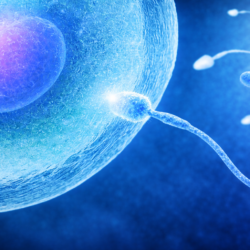
What is Testicular Sperm Aspiration (TESA) ?
Definition of TESA
Testicular Sperm Aspiration (TESA) is a medical procedure used to extract sperm directly from the testicles of men who have difficulty producing sperm in their ejaculate. This procedure is typically performed in cases of male infertility, where the male partner is unable to produce enough sperm for natural conception.
During a TESA procedure, a needle is inserted into the testicle to aspirate sperm for use in assisted reproductive technologies such as in vitro fertilization (IVF) or intracytoplasmic sperm injection (ICSI). The extracted sperm can then be used to fertilize an egg in a laboratory setting, bypassing the need for sperm to be present in the ejaculate.
Overall, TESA is a valuable option for couples facing male infertility issues and can help them achieve their goal of starting a family. It provides a way for men with limited sperm production to still have a chance at biological parenthood, giving hope to those struggling with fertility challenges.
Procedure of TESA
Testicular Sperm Aspiration (TESA) is a procedure commonly used in assisted reproductive technology for men who have difficulty producing sperm. The procedure involves using a needle to extract sperm cells directly from the testicles.
The process begins with the patient being prepared for the procedure, which typically involves the use of local anesthesia. Once the area is numb, a small needle is inserted into the testicle to collect sperm. The procedure is usually quick and relatively painless, with minimal recovery time.
TESA is often used in conjunction with in vitro fertilization (IVF) to assist couples struggling with male infertility to conceive a child. It is a simple and effective method for obtaining sperm for use in fertility treatments.
Reasons for TESA
Testicular Sperm Aspiration, commonly known as TESA, is a procedure often recommended for men who have difficulties producing sperm. One of the main reasons for undergoing TESA is to retrieve sperm for assisted reproductive technologies such as in vitro fertilization (IVF) or intracytoplasmic sperm injection (ICSI).
Another reason for considering TESA is in cases where a man has had a vasectomy and wants to have children. TESA can help retrieve viable sperm from the testicles, even after a vasectomy, which can then be used for fertility treatments.
Men who are experiencing certain medical conditions, such as azoospermia (absence of sperm in the semen) or low sperm count, may also opt for TESA to increase their chances of fathering a child through IVF or ICSI.
Risks and Complications
Risks and complications associated with Testicular Sperm Aspiration (TESA) may include infection at the site of the procedure, bleeding, and swelling. These risks are generally low, but it is important for patients to be aware of them before undergoing the procedure. Infection can usually be treated with antibiotics, while bleeding and swelling may resolve on their own over time.
Another potential risk of TESA is damage to the testicle or surrounding tissues. This can occur if the procedure is not performed correctly or if there are complications during the process. It is essential for patients to choose a skilled and experienced healthcare provider to minimize the risk of these complications.
Some patients may also experience temporary pain or discomfort following TESA. This is normal and should subside within a few days. However, if the pain persists or becomes severe, patients should seek medical attention to rule out any underlying issues.
Recovery and Results
After undergoing a Testicular Sperm Aspiration (TESA) procedure, the recovery process is usually relatively quick and straightforward. Most patients are able to resume their normal activities within a few days. However, it is important to follow the post-operative instructions provided by your healthcare provider to ensure proper healing.
As for the results of TESA, success rates vary depending on the individual’s specific circumstances. In general, TESA can be an effective method for obtaining sperm for use in assisted reproduction techniques such as in vitro fertilization (IVF). However, it is important to have realistic expectations and discuss any concerns with your healthcare provider.
In some cases, complications such as infection or bleeding may occur following a TESA procedure. It is important to monitor for any signs of these complications and seek prompt medical attention if necessary. Overall, the recovery and results of TESA can vary from person to person, so it is important to be informed and prepared for any potential outcomes.