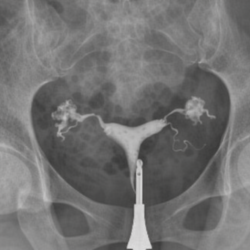
What Is Tubal Ligation?
Tubal ligation is a permanent method of contraception in which the fallopian tubes are surgically blocked, cut, sealed, or otherwise closed to prevent the egg and sperm from meeting. It is generally considered for women who are certain they do not wish to become pregnant in the future. The procedure can often be performed laparoscopically through small abdominal incisions, and because it is intended to be permanent, patients should receive appropriate counseling about alternatives, possible risks, and future reproductive options before making a decision.
Tubal ligation is one of the most effective and reliable options among permanent birth control methods. In this procedure, medically known as “tubal ligation,” the fallopian tubes are closed using surgical techniques, preventing the egg and sperm from meeting. In this way, natural conception is permanently prevented. It is especially preferred by women who have completed having children and are seeking a long-term contraceptive method.
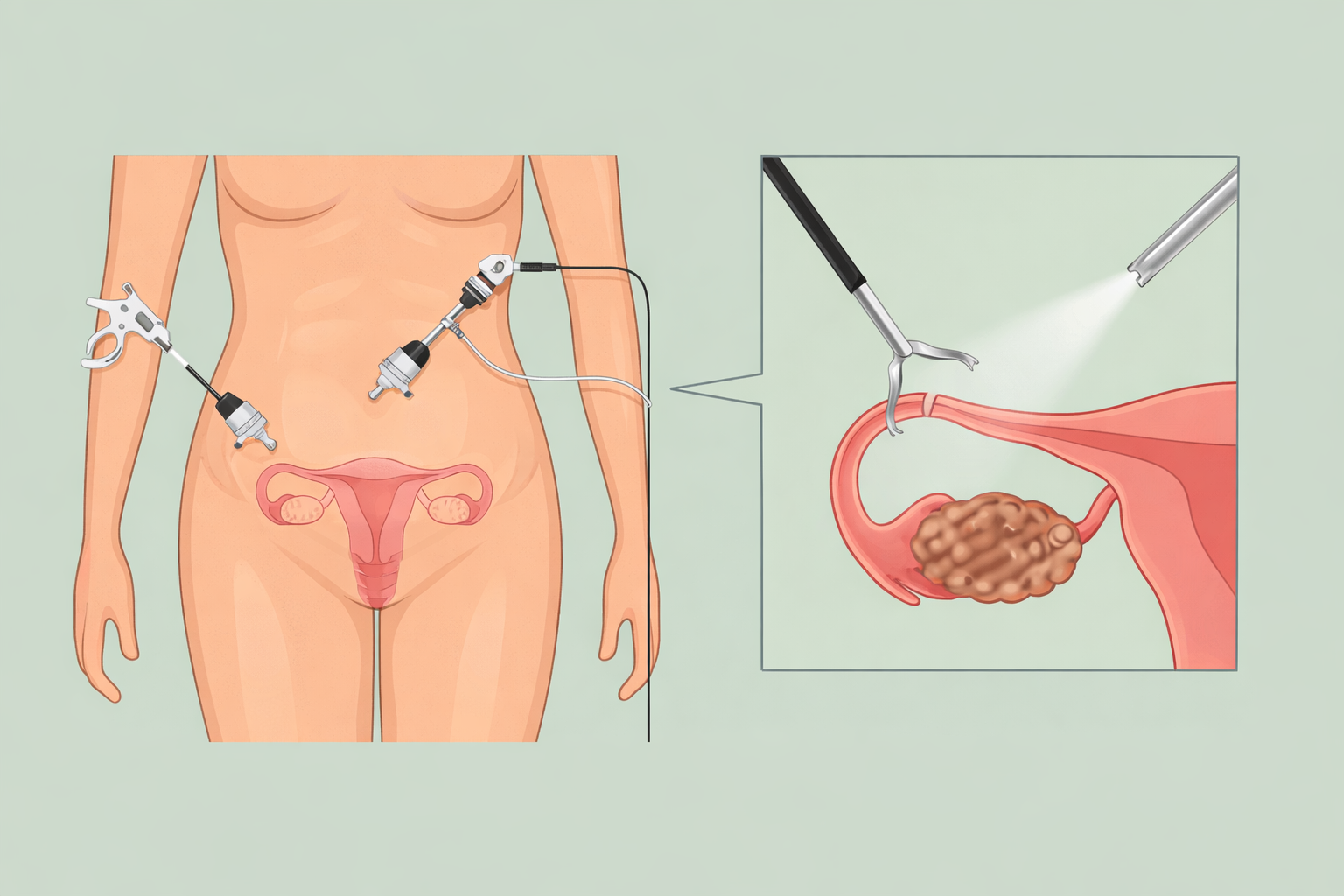
Today, this procedure is most commonly performed using the laparoscopic method. Laparoscopy is a minimally invasive surgical technique performed through small incisions in the abdominal area with the help of a camera and fine surgical instruments. Thanks to this method, patients experience less pain, the post-operative recovery period is shorter, and they can return to their daily lives much more quickly.
During tubal ligation, the fallopian tubes can be tied, cut, or closed using special techniques. Which technique is used may vary depending on the patient’s condition and the surgeon’s preference. The procedure usually takes a short time, and most patients are discharged the same day or the following day.
The most important feature of this method is that it is permanent. Therefore, it is very important for the patient to make this decision carefully before the procedure and to evaluate whether they may wish to have children again in the future. Although it is possible to reopen the tubes, the success rate of this procedure may not always be high. For this reason, it is recommended to receive detailed counseling before deciding on tubal ligation.
At the Cyprus American IVF Center, tubal ligation procedures are performed safely and comfortably by experienced surgeons using modern laparoscopic techniques. The most suitable method is determined by taking into consideration the patient’s general health condition, age, and expectations.
If you would like to get detailed information about permanent birth control methods and evaluate the most suitable option for you, you can consult the specialists at the Cyprus American IVF Center.
For more information and to schedule an appointment, please feel free to contact us.
Frequently Asked Questions About Tubal Ligation
What is tubal ligation?
Tubal ligation is a permanent birth control method in which the fallopian tubes are surgically closed, tied, or cut to prevent the egg and sperm from meeting.
How does tubal ligation prevent pregnancy?
Tubal ligation prevents pregnancy by blocking the fallopian tubes. Since the egg cannot meet sperm, natural fertilization does not occur.
Who can consider tubal ligation?
Tubal ligation may be suitable for women who have completed their family planning and want a long-term, permanent contraceptive method.
Is tubal ligation permanent?
Yes. Tubal ligation is considered a permanent method of birth control. For this reason, the decision should be made carefully after detailed medical counseling.
Can tubal ligation be reversed?
In some cases, the tubes may be reopened with tubal reversal surgery. However, reversal success is not guaranteed and depends on the previous ligation method, tube length, tube health, age, and fertility factors.
How is tubal ligation performed?
Tubal ligation is usually performed with laparoscopic surgery. Small incisions are made in the abdomen, and the fallopian tubes are tied, cut, sealed, or closed using specialized surgical techniques.
What is laparoscopic tubal ligation?
Laparoscopic tubal ligation is a minimally invasive procedure performed through small abdominal incisions using a camera and fine surgical instruments.
What are the advantages of laparoscopic tubal ligation?
Laparoscopic tubal ligation may offer less pain, smaller scars, shorter hospital stay, faster recovery, and a quicker return to daily life compared with open surgery.
Is tubal ligation painful?
The procedure is performed under anesthesia, so the patient does not feel pain during surgery. Mild abdominal discomfort, cramping, or bloating may occur afterward.
How long does tubal ligation take?
Tubal ligation is usually a short surgical procedure. Most patients can be discharged on the same day or the following day, depending on their condition.
How long is recovery after tubal ligation?
Recovery is usually fast with the laparoscopic method. Many patients can return to light daily activities within a short time after medical approval.
Does tubal ligation affect menstruation?
Tubal ligation usually does not stop menstruation because the ovaries and uterus continue to function. Menstrual cycles generally continue as before.
Does tubal ligation affect hormones?
No. Tubal ligation does not usually affect hormone production because the ovaries are not removed or damaged during the procedure.
Can pregnancy happen after tubal ligation?
Pregnancy after tubal ligation is rare but possible. If pregnancy occurs after the procedure, medical evaluation is important because the risk of ectopic pregnancy may be higher.
What is the risk of ectopic pregnancy after tubal ligation?
If pregnancy occurs after tubal ligation, there may be an increased risk of ectopic pregnancy, where the pregnancy develops outside the uterus, usually in the fallopian tube.
Is tubal ligation suitable for every woman?
Tubal ligation may not be suitable for every woman. Age, future pregnancy plans, general health, surgical risks, and personal expectations should be evaluated before the procedure.
What should be considered before tubal ligation?
Patients should understand that tubal ligation is permanent, discuss alternative birth control options, consider future pregnancy wishes, and receive detailed counseling before making a decision.
Is IVF possible after tubal ligation?
Yes. IVF may be possible after tubal ligation because IVF does not require open fallopian tubes. Eggs are collected from the ovaries, fertilized in the laboratory, and embryos are transferred into the uterus.
Why choose Cyprus American IVF Center for tubal ligation?
Cyprus American IVF Center performs tubal ligation using modern laparoscopic techniques with experienced surgeons. The procedure is planned according to the patient’s health condition, age, and expectations.
When should a doctor be contacted after tubal ligation?
A doctor should be contacted if severe abdominal pain, heavy bleeding, fever, foul-smelling discharge, dizziness, or signs of infection occur after tubal ligation.