What Is Uterine Prolapse Surgery?
Uterine prolapse is a condition in which the uterus descends from its normal position because the pelvic floor muscles and supporting tissues become weakened. Symptoms may include vaginal pressure or fullness, urinary problems, discomfort during sexual intercourse, pelvic discomfort, and reduced quality of life. Treatment depends on the severity of the prolapse and may range from pelvic floor exercises and supportive methods to surgical repair, including laparoscopic procedures that restore pelvic support and reposition the uterus when appropriate.
Uterine prolapse occurs when the uterus descends from its normal position due to the weakening of the pelvic floor muscles. This condition can typically arise from factors such as childbirth, aging, connective tissue weakness, or heavy lifting.
In patients with uterine prolapse, symptoms such as a feeling of fullness in the vaginal area, pressure, urinary problems, discomfort during sexual intercourse, and a decrease in daily life comfort may be observed. In advanced cases, the uterus may protrude outside the vagina.
Treatment is planned according to the severity of the prolapse and the patient’s symptoms. While exercises and supportive methods may be sufficient in mild cases, surgical treatment is required in more advanced cases.
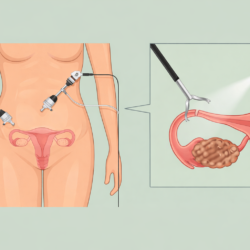
With laparoscopic surgery, the uterus is repositioned to its anatomical location and the pelvic floor is supported. Thanks to this method, patients recover more quickly and post-operative comfort is improved.
At the Cyprus American IVF Center, uterine prolapse treatments are successfully performed using modern surgical techniques by an experienced team. The treatment process is planned based on the patient’s age, overall health condition, and expectations.
If you are experiencing pressure, prolapse, or urinary problems in the vaginal area, early evaluation and appropriate treatment are of great importance.
For more information and to schedule an appointment, please feel free to contact us.
Frequently Asked Questions About Uterine Prolapse Surgery
What is uterine prolapse?
Uterine prolapse is a condition in which the uterus descends from its normal position due to weakness in the pelvic floor muscles and supportive tissues.
What causes uterine prolapse?
Uterine prolapse may occur due to childbirth, aging, menopause, connective tissue weakness, heavy lifting, chronic coughing, obesity, or long-term pressure on the pelvic floor.
What are the symptoms of uterine prolapse?
Symptoms may include vaginal pressure, a feeling of fullness or heaviness, discomfort during sexual intercourse, urinary problems, difficulty emptying the bladder, pelvic pain, and reduced daily comfort.
Can the uterus protrude outside the vagina?
Yes. In advanced uterine prolapse, the uterus may descend significantly and protrude outside the vaginal opening.
Is uterine prolapse dangerous?
Uterine prolapse is usually not life-threatening, but it can seriously affect comfort, sexual health, urinary function, and quality of life. Advanced cases may require surgical treatment.
How is uterine prolapse diagnosed?
Uterine prolapse is usually diagnosed through a gynecological examination. The physician evaluates the degree of prolapse, pelvic floor strength, symptoms, and related urinary or vaginal complaints.
How is uterine prolapse treated?
Treatment depends on the severity of prolapse and the patient’s symptoms. Mild cases may be managed with pelvic floor exercises or supportive methods, while advanced cases may require surgery.
When is surgery needed for uterine prolapse?
Surgery may be recommended when prolapse is advanced, symptoms affect daily life, the uterus protrudes outside the vagina, or non-surgical methods do not provide enough relief.
What is uterine prolapse surgery?
Uterine prolapse surgery is a procedure performed to restore pelvic support and reposition the uterus or pelvic organs to improve comfort and function.
How is laparoscopic uterine prolapse surgery performed?
Laparoscopic uterine prolapse surgery is performed through small abdominal incisions using a camera and specialized instruments. The uterus is repositioned, and the pelvic floor is supported.
What are the advantages of laparoscopic prolapse surgery?
Laparoscopic surgery may offer smaller incisions, less pain, shorter hospital stay, faster recovery, and improved post-operative comfort compared with open surgery.
Is uterine prolapse surgery painful?
The procedure is performed under anesthesia, so the patient does not feel pain during surgery. Mild pain, pressure, or discomfort may occur afterward and is usually managed with medication.
How long does recovery take after uterine prolapse surgery?
Recovery time varies depending on the surgical method, degree of prolapse, and the patient’s general health. With laparoscopic surgery, recovery is usually faster than with open surgery.
Can uterine prolapse come back after surgery?
Yes. Prolapse may recur in some cases, especially if pelvic floor weakness continues. Avoiding heavy lifting, managing chronic cough, maintaining a healthy weight, and follow-up care may reduce recurrence risk.
Can uterine prolapse affect sexual life?
Yes. Uterine prolapse may cause discomfort, pressure, or pain during sexual intercourse. Treatment may help improve comfort and quality of life.
Can uterine prolapse cause urinary problems?
Yes. Uterine prolapse may cause urinary leakage, frequent urination, difficulty emptying the bladder, or a feeling of pressure on the bladder.
Are pelvic floor exercises helpful for uterine prolapse?
Pelvic floor exercises may help strengthen support muscles in mild cases. However, advanced prolapse usually requires medical or surgical treatment.
Is hysterectomy always required for uterine prolapse?
No. Hysterectomy is not always required. The surgical plan depends on the severity of prolapse, uterine condition, age, health status, and the patient’s expectations.
What should patients consider before uterine prolapse surgery?
Patients should understand the degree of prolapse, treatment options, surgical method, recovery process, recurrence risk, possible urinary symptoms, and post-operative lifestyle recommendations.
Why choose Cyprus American IVF Center for uterine prolapse surgery?
Cyprus American IVF Center performs uterine prolapse treatment using modern surgical techniques and individualized planning. The goal is to restore pelvic support, improve comfort, and support better quality of life.