What Is Hysterectomy?
Hysterectomy is a surgical procedure in which the uterus is removed to treat selected gynecological conditions such as large fibroids, uncontrolled abnormal bleeding, uterine prolapse, chronic pelvic pain, or certain gynecological cancers. The decision is made individually after considering the patient’s diagnosis, general health, treatment alternatives, and future fertility plans. Depending on the clinical situation, hysterectomy may be performed laparoscopically or by other surgical approaches, with the aim of treating the underlying condition safely and effectively.
The complete removal of the uterus, medically known as hysterectomy, is one of the important surgical methods used in the treatment of gynecological conditions. This procedure may be necessary for various reasons such as large fibroids, uncontrollable abnormal bleeding, certain gynecological cancers, chronic pain conditions, or advanced uterine prolapse.
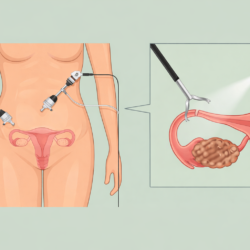
Today, hysterectomy is most commonly performed using the laparoscopic method. With this approach, the uterus is removed through small incisions without the need for a large abdominal cut. Laparoscopic surgery offers advantages such as less pain, a shorter hospital stay, and faster recovery.
The decision to remove the uterus is a serious one that must be evaluated individually for each patient. Especially in patients who plan to have children, alternative treatment options are considered first. However, in some cases, hysterectomy may be the most appropriate solution for the patient’s health.
The post-operative recovery process is generally quick. Patients can return to their daily activities in a short time. However, it is important to follow the doctor’s recommendations and attend regular check-ups after surgery.
At the Cyprus American IVF Center, hysterectomy procedures are performed safely using advanced surgical techniques by an experienced team of specialists. The most appropriate treatment plan is determined based on the patient’s overall health condition, symptoms, and expectations.
If you are experiencing serious uterine health problems and surgical treatment has been recommended, it is very important to evaluate the process in detail.
For more information and to schedule an appointment, please feel free to contact us.
Frequently Asked Questions About Hysterectomy
What is hysterectomy?
Hysterectomy is the surgical removal of the uterus. It is performed to treat certain gynecological conditions when other treatment options are not suitable or effective.
When is hysterectomy needed?
Hysterectomy may be recommended for large fibroids, uncontrolled abnormal bleeding, certain gynecological cancers, chronic pelvic pain, advanced uterine prolapse, or other serious uterine health problems.
Is hysterectomy a major surgery?
Yes. Hysterectomy is an important surgical procedure and should be carefully evaluated according to the patient’s diagnosis, symptoms, general health, and future fertility plans.
How is the uterus removed?
The uterus can be removed using different surgical methods. Today, laparoscopic hysterectomy is commonly preferred because it is performed through small incisions without a large abdominal cut.
What is laparoscopic hysterectomy?
Laparoscopic hysterectomy is a minimally invasive surgical method in which the uterus is removed through small incisions using a camera and specialized surgical instruments.
What are the advantages of laparoscopic hysterectomy?
Laparoscopic hysterectomy may offer less pain, smaller scars, shorter hospital stay, faster recovery, and a quicker return to daily activities compared with open abdominal surgery.
Can pregnancy occur after hysterectomy?
No. Pregnancy is not possible after the uterus is removed. For this reason, fertility plans must be discussed carefully before deciding on hysterectomy.
Are alternative treatments considered before hysterectomy?
Yes. Especially in women who want to have children, alternative treatments are evaluated first whenever possible. Hysterectomy is usually considered when other options are not suitable or when the patient’s health requires it.
Is hysterectomy used for fibroids?
Yes. Hysterectomy may be recommended for large fibroids or fibroids causing severe symptoms when fertility preservation is not required or other treatments are not effective.
Is hysterectomy used for abnormal bleeding?
Yes. If abnormal uterine bleeding cannot be controlled with medication or less invasive procedures, hysterectomy may be considered as a definitive treatment option.
Is hysterectomy painful?
The surgery is performed under anesthesia, so the patient does not feel pain during the operation. Some pain or discomfort may occur after surgery, but it is usually controlled with medication.
How long does recovery take after hysterectomy?
Recovery time varies depending on the surgical method, the patient’s general health, and the reason for surgery. Laparoscopic hysterectomy usually allows a faster recovery than open surgery.
How long is the hospital stay after hysterectomy?
Hospital stay depends on the patient’s condition and the surgical technique used. With laparoscopic hysterectomy, hospital stay is often shorter than with traditional open surgery.
When can daily activities be resumed after hysterectomy?
Patients may return to light daily activities within a short time after laparoscopic hysterectomy, depending on the doctor’s advice. Heavy lifting and strenuous activity should be avoided until healing is complete.
Are follow-up visits necessary after hysterectomy?
Yes. Regular follow-up visits are important to monitor healing, check for possible complications, and support a safe recovery after surgery.
Does hysterectomy remove the ovaries?
Not always. Hysterectomy means removal of the uterus. The ovaries may or may not be removed depending on the patient’s condition, diagnosis, age, and surgical plan.
Will menstruation continue after hysterectomy?
No. Menstruation stops after the uterus is removed because menstrual bleeding comes from the uterine lining.
Does hysterectomy cause menopause?
Hysterectomy alone does not cause menopause if the ovaries are left in place. If both ovaries are removed, menopause begins immediately after surgery.
What should patients consider before hysterectomy?
Patients should understand the reason for surgery, available alternatives, fertility consequences, surgical method, recovery process, possible risks, and follow-up requirements before making a decision.
Why choose Cyprus American IVF Center for hysterectomy?
Cyprus American IVF Center performs hysterectomy procedures using advanced surgical techniques and individualized treatment planning. Each patient is evaluated according to her symptoms, health condition, and expectations.