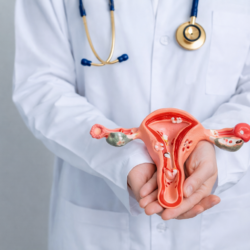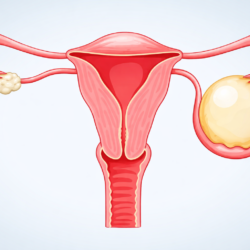
What Is Tubal Reversal (Tubal Recanalization)?
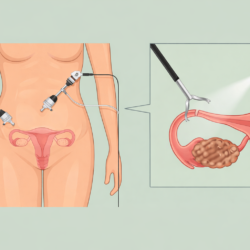
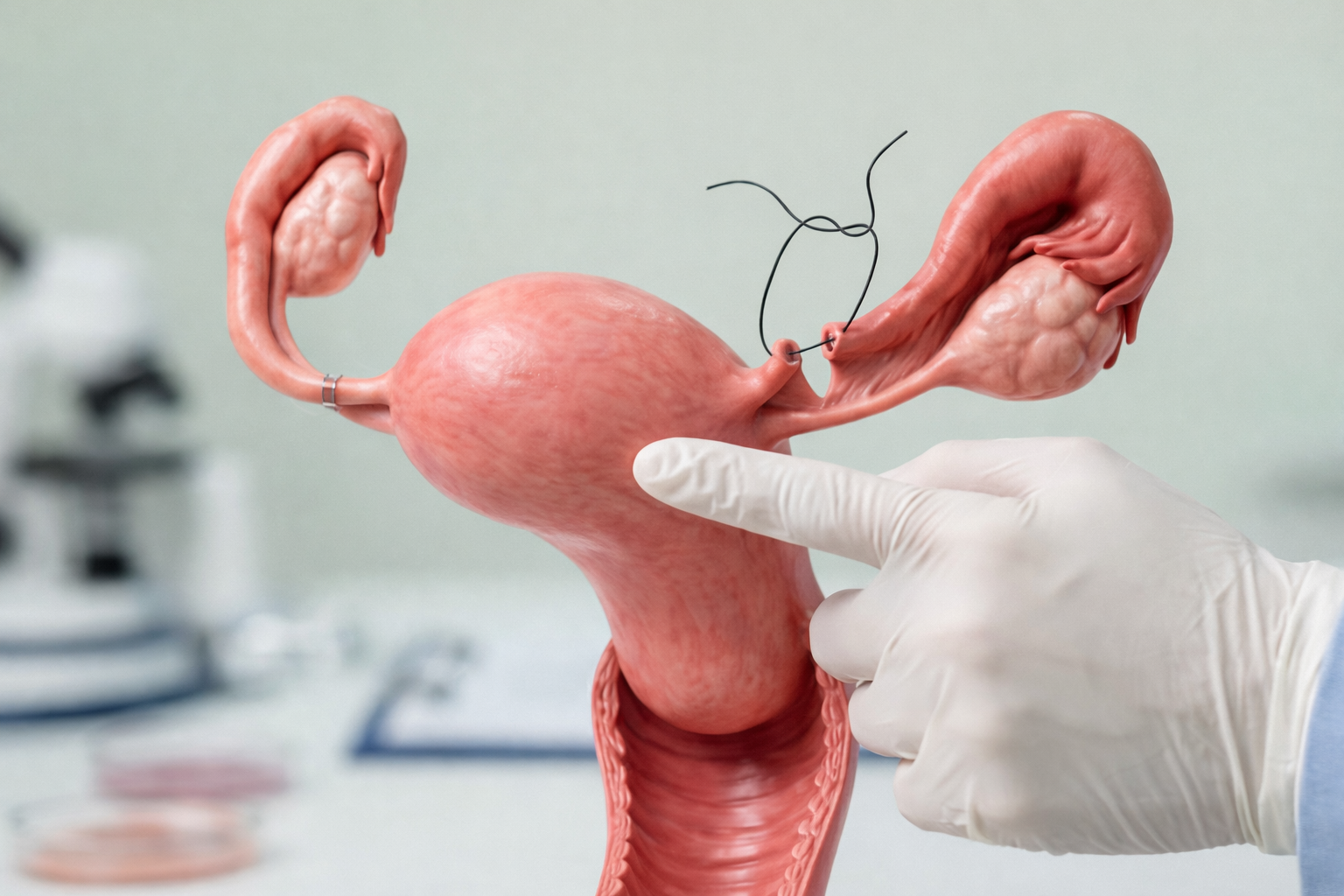
Tubal reversal, also known as tubal recanalization, is a surgical procedure that reconnects previously tied fallopian tubes with the aim of restoring the possibility of natural conception. It may be considered for selected women after tubal ligation, depending on factors such as age, ovarian reserve, remaining tubal length and condition, previous sterilization method, and overall fertility health. The procedure is usually performed using laparoscopic or microsurgical techniques, although IVF may be a more appropriate option for some patients after individual evaluation.
Tubal reversal is a surgical procedure performed for women who have previously had their tubes tied but wish to have children again. Medically known as “tubal recanalization,” this procedure aims to reconnect the fallopian tubes and restore the chance of natural conception.
This procedure is usually performed using laparoscopic surgery or microsurgical techniques. The previously tied ends of the tubes are carefully identified and reconnected using specialized techniques. This operation requires a highly delicate surgical experience, and the success rate may vary depending on several factors.
The most important factors affecting success include the patient’s age, the length and healthy structure of the tubes, the type of previous ligation method used, and the patient’s overall health condition. In cases where the tubes are too short or severely damaged, this procedure may not be suitable for every patient.
Therefore, a detailed evaluation is necessary before deciding on tubal reversal. For some patients, IVF treatment may offer a higher success rate compared to tubal reversal. For this reason, an individualized approach is of great importance.
After tubal reversal surgery, there is a possibility of achieving pregnancy naturally. However, this process may take time and requires regular follow-up. Additionally, careful monitoring is necessary due to the risk of ectopic pregnancy.
At the Cyprus American IVF Center, tubal reversal procedures are performed using modern techniques by experienced specialist surgeons. Patients are evaluated in detail, and the most appropriate treatment option is determined for each individual.
If you have previously had your tubes tied and are planning to conceive again, you can contact us to learn about the most suitable treatment options for you.
For more information and to schedule an appointment, please feel free to contact us.
Frequently Asked Questions About Tubal Reversal
What is tubal reversal?
Tubal reversal, also known as tubal recanalization, is a surgical procedure performed to reconnect the fallopian tubes after they have previously been tied. The aim is to restore the possibility of natural pregnancy.
Who can benefit from tubal reversal?
Tubal reversal may be suitable for women who previously had tubal ligation but now wish to have children again. Suitability depends on age, tube length, tube quality, previous ligation method, and overall reproductive health.
How is tubal reversal performed?
Tubal reversal is usually performed using laparoscopic surgery or microsurgical techniques. The blocked or tied ends of the fallopian tubes are identified and carefully reconnected with delicate surgical methods.
Is tubal reversal suitable for every woman?
No. Tubal reversal may not be suitable if the fallopian tubes are too short, severely damaged, or if other fertility factors reduce the chance of natural conception. A detailed evaluation is required before surgery.
What affects the success of tubal reversal?
Success depends on the woman’s age, ovarian reserve, tube length, tube condition, previous sterilization method, sperm quality, surgical technique, and overall fertility health.
Can pregnancy occur naturally after tubal reversal?
Yes. If the tubes heal properly and other fertility factors are suitable, natural pregnancy may occur after tubal reversal. However, conception may take time and requires regular medical follow-up.
How long does it take to get pregnant after tubal reversal?
The time to pregnancy varies from person to person. Some women may conceive within months, while others may need longer or may be advised to consider IVF depending on their fertility evaluation.
Is IVF better than tubal reversal?
For some patients, IVF may offer a higher chance of pregnancy than tubal reversal. The best option depends on age, ovarian reserve, sperm quality, tube condition, previous ligation type, and pregnancy goals.
What is the difference between tubal reversal and IVF?
Tubal reversal aims to restore natural conception by reconnecting the fallopian tubes. IVF bypasses the tubes by fertilizing eggs in the laboratory and transferring the embryo directly into the uterus.
Is tubal reversal done with laparoscopy?
Yes. Tubal reversal can be performed laparoscopically through small abdominal incisions. This minimally invasive approach may reduce pain, shorten recovery time, and allow a faster return to daily life.
Is tubal reversal painful?
The procedure is performed under anesthesia, so the patient does not feel pain during surgery. Mild pain, bloating, or discomfort may occur after the operation and is usually controlled with medication.
How long is recovery after tubal reversal?
Recovery time depends on the surgical method and the patient’s general health. With laparoscopic techniques, recovery is usually faster than with open surgery.
What tests are needed before tubal reversal?
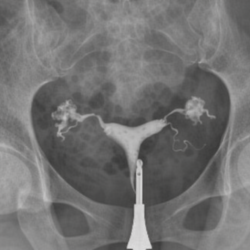
Before tubal reversal, the patient may need gynecological examination, ultrasound evaluation, ovarian reserve tests, assessment of previous tubal ligation records, and semen analysis for the partner.
Is there a risk of ectopic pregnancy after tubal reversal?
Yes. The risk of ectopic pregnancy may be higher after tubal surgery. For this reason, early pregnancy monitoring is very important after tubal reversal.
Can tubes become blocked again after reversal?
Yes. In some cases, the tubes may scar or become blocked again after surgery. Follow-up evaluation may be needed if pregnancy does not occur.
Does tubal reversal guarantee pregnancy?
No. Tubal reversal does not guarantee pregnancy. Success depends on tube health, age, egg quality, sperm quality, surgical outcome, and other fertility factors.
When can pregnancy be planned after tubal reversal?
Pregnancy planning should begin only after the physician confirms that healing is complete. The recommended waiting period may vary depending on the surgical findings and recovery.
Why is surgical experience important in tubal reversal?
Tubal reversal requires delicate microsurgical skill because the fallopian tubes are very thin structures. Experienced surgical technique helps improve the chance of successful reconnection and future pregnancy.
What should patients consider before tubal reversal?
Patients should compare tubal reversal and IVF options, understand success rates, ectopic pregnancy risk, recovery process, tube condition, age-related fertility factors, and the need for regular follow-up.
Why choose Cyprus American IVF Center for tubal reversal?
Cyprus American IVF Center evaluates each patient individually and performs tubal reversal using modern laparoscopic and microsurgical techniques. The goal is to determine the most suitable treatment option and support the chance of future pregnancy.